3 hr
Shinjuku Night Food Tour: 4 Eateries, Local Flavors
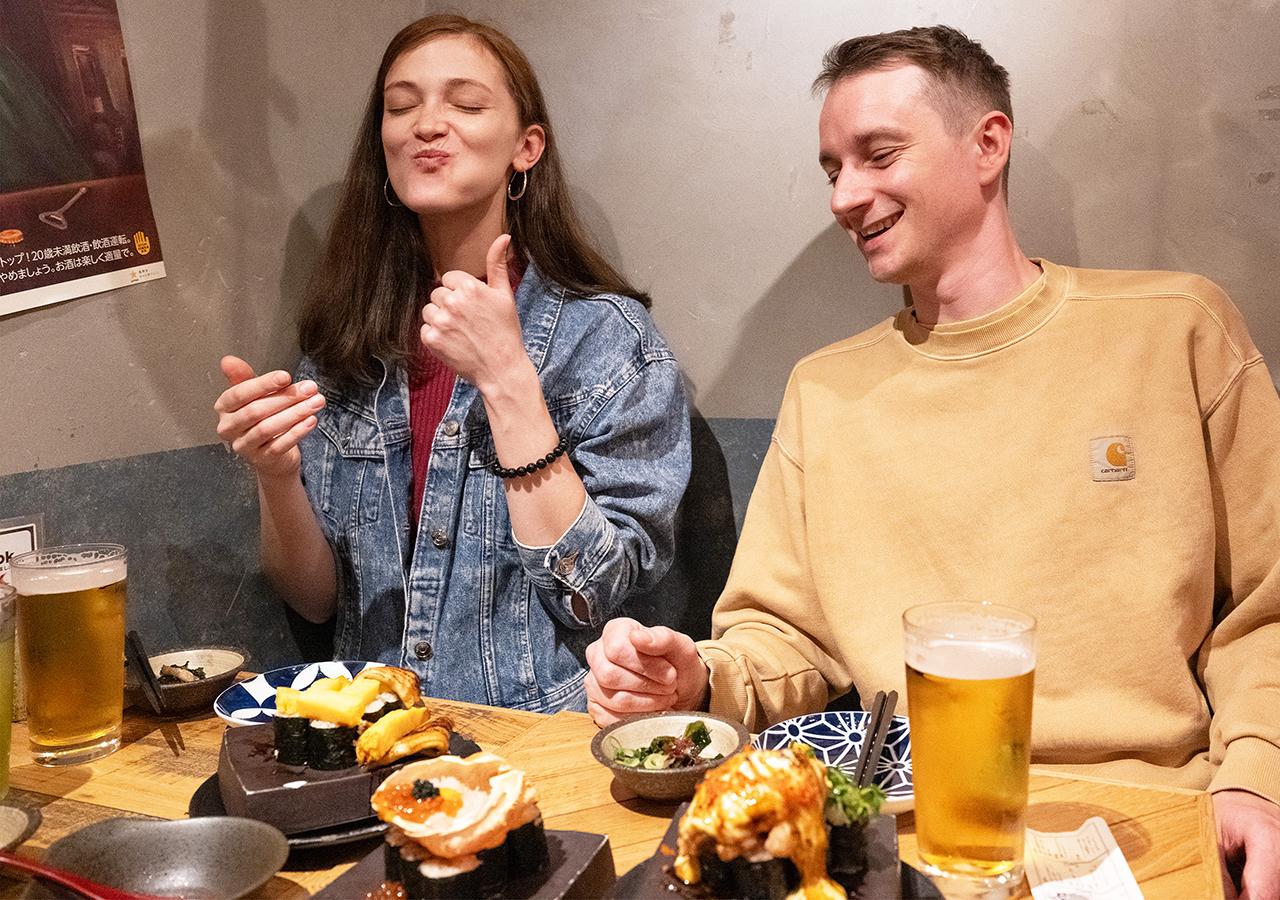
Small-group Shinjuku food crawl through 4 local eateries, 13 dishes, and 2 drinks included.
Reserve
Hand-picked by our editors — only the best 5 experiences from 5 reviewed.
Verified partners for every tour, free cancellation where available, and instant confirmation on every booking.
3 hr
Small-group Shinjuku food crawl through 4 local eateries, 13 dishes, and 2 drinks included.
Reserve
3 hr
Eat your way through Shinjuku's back alleys with a local guide, 15 dishes, 4 hidden eateries.
Reserve
3 hr
Wander Shinjuku's neon alleys and taste sushi and yakitori with a local guide by your side.
ReservePrices from verified partners. Availability updates in real time at checkout. Free cancellation policies apply where shown.
The landmarks, rooms, and views travelers on this tour remember — all visible on a single visit.
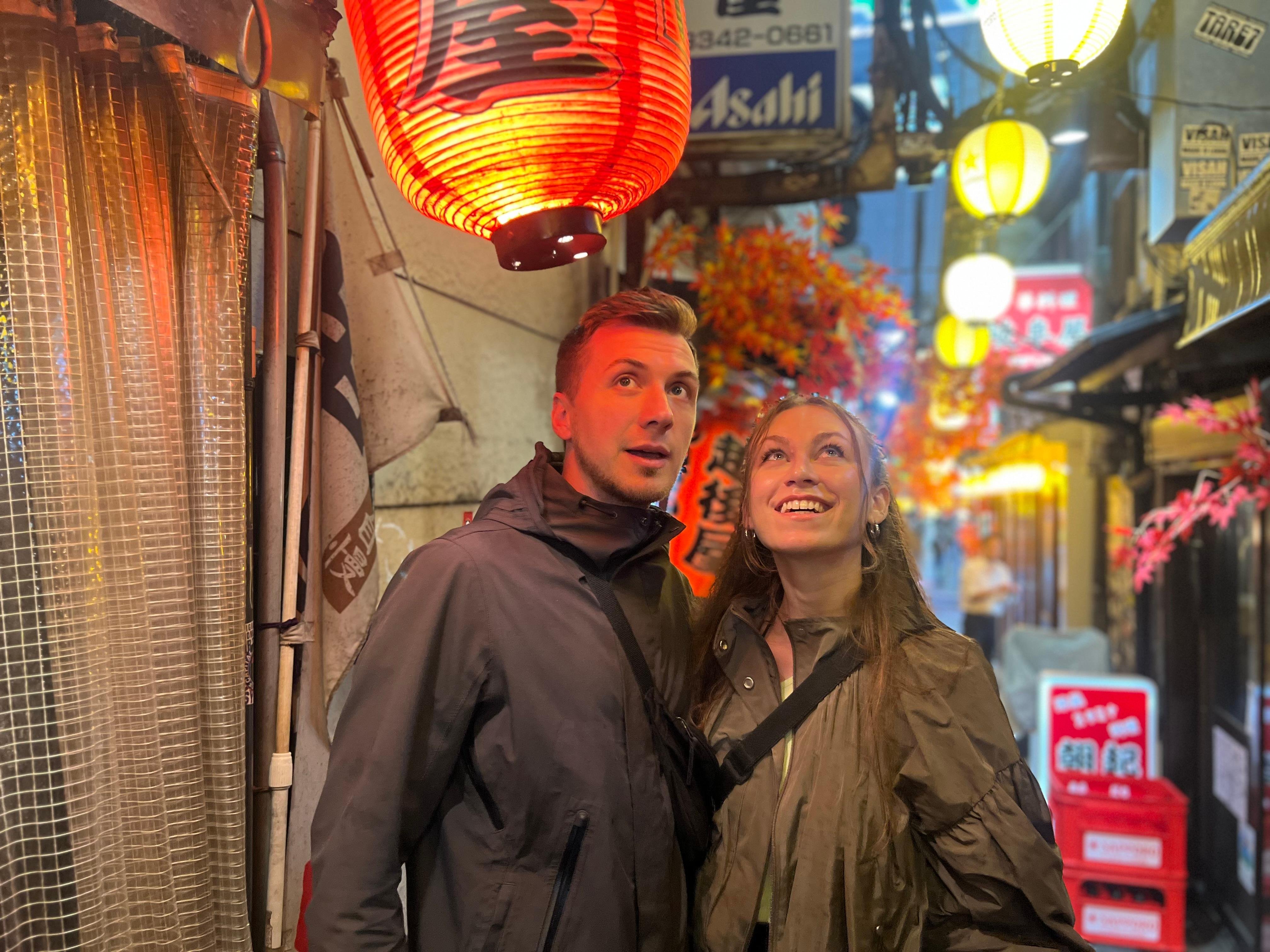
This narrow lane is famous for yakitori stalls and a nostalgic atmosphere that has persisted for decades. It is a signature stop on your private shinjuku food tour.
Home to over 200 tiny bars, this area survived urban redevelopment to become a cultural landmark. Each bar often seats fewer than 10 people.
This spiritual oasis stands in contrast to the surrounding city. It is a historic site frequented by those in the arts and entertainment sectors.
One of the busiest transport hubs in the world with over 3 million daily passengers. It is the typical starting point for a private shinjuku food tour.
This area features high-rise architecture and luxury hotels. It provides a modern counterpoint to the older districts visited on the private shinjuku food tour.
They complement each other; most visitors who do both call the private Shinjuku food tour the more focused experience, while group outings offer a more social atmosphere. Choosing between these Tokyo culinary excursions often depends on whether you prioritize tailored pacing or meeting new travelers while sampling local izakaya snacks.
| Feature | Top pick Private Tour | Group Tour |
|---|---|---|
Customization |
Fully tailored to preferences | Fixed standard itinerary |
Social Environment |
Private and intimate | Group interaction encouraged |
Pace of Tour |
Flexible and personalized | Strict schedule adherence |
Cost |
Higher per person | Lower per person |
Food Variety |
Curated to specific tastes | Standardized menu selection |
Group Size |
1–6 guests | 8–15 guests |
| See tickets → |
Verdict: Select the private Shinjuku food tour tickets if you prefer deep dives into local gastronomy, or opt for group private shinjuku food tour tours if you enjoy shared experiences.
Choose your ticket, select your date, and reserve in under two minutes. Secure checkout handled by our verified partner.
Instant confirmation by email, with a mobile voucher you can save offline. No printing, no queuing at a collection desk.
Arrive at the entrance, show your voucher on your phone, and walk in. Most tickets include priority or skip-the-line access.
Practical details for your visit straight from our verified partners — hours, access, rules, and how to get there.
Shinjuku, Tokyo
Meet at the East Exit near the police box
Use the JR Yamanote line to reach Shinjuku Station. It serves as the primary hub for your private shinjuku food tour.
Casual and comfortable clothing is recommended for your private shinjuku food tour. Wear walking shoes suitable for navigating narrow alleyways.
Keep belongings minimal as some venues on this private shinjuku food tour have limited space for bags. Do not bring large luggage or oversized backpacks.
Photography is generally permitted, but always ask your guide before taking pictures of private individuals or inside small establishments during your private shinjuku food tour.
The private shinjuku food tour involves walking through older districts with stairs and uneven pavement. Please notify the operator of mobility requirements before booking.
Mobile phones may be used to capture memories during the private shinjuku food tour. Please silence devices when dining to respect local etiquette.
Families are welcome to book a private shinjuku food tour, but consider the late-night atmosphere when bringing young children. Private tours allow for a flexible pace suitable for your group.
This private shinjuku food tour is designed to showcase local specialties. Inform your guide in advance of any allergies or dietary restrictions.
Pets are not permitted on the private shinjuku food tour unless they are documented service animals. Confirm specific venue policies with your guide.
The private shinjuku food tour is conducted in English. Your local guide provides historical context for each Tokyo landmark visited.
Best time to go, insider tips, nearby landmarks, and the cancellation fine print — flip through to skim what matters to you.
How crowds, weather, and events shift across the year.
Mild weather is ideal for walking between multiple food spots. Cherry blossoms attract high visitor numbers in late March.
August brings high humidity and evening festivals. A private shinjuku food tour provides a cool way to enjoy Tokyo nightlife after sunset.
Cooler temperatures make for pleasant outdoor walking. November offers vibrant foliage near Shinjuku Gyoen.
Crisp air is perfect for hot meals like ramen. Reservations are recommended due to the holiday season.
Small details that turn a good visit into a great one.
Reserve your private shinjuku food tour at least two weeks ahead to secure your preferred date.
List all allergies in your booking form so the restaurant can prepare suitable options.
August in Tokyo is hot, so carry water between stops on your private shinjuku food tour.
Some small shops in Shinjuku do not accept credit cards; carry JPY for convenience.
You will cover significant ground on your private shinjuku food tour; comfortable shoes are vital.
Non-bookable sights within a short walk — free to visit, easy to pair.
A large, peaceful garden featuring Japanese, English, and French styles.
Offers panoramic views of the city skyline from its free observation decks.
A historic shrine known for its association with the local entertainment industry.
Features displays of armor and weapons highlighting Japanese warrior history.
Flexible, no hidden fees.
Full refunds are available for cancellations made at least 24 hours in advance. Cancellations within 24 hours of the private shinjuku food tour start time are non-refundable.
Hand-picked options within walking distance — pick a district for vibe, or a specific hotel for convenience.
Wide selection of hotels ranging from business style to luxury high-rises.
Home to premium international hotels and skyscraper views.
Dense area with numerous capsule hotels and budget stays.
Shinjuku Station moves roughly 3.5 million people a day, which makes it the busiest railway station on Earth — and the eating district wrapped around it grew directly out of that traffic. Workers needed food fast, cheap, and late. The alleys answered. The district's food culture is postwar in origin. Omoide Yokocho, the lane of some sixty tiny counters northwest of the station, began as an open-air black market in 1946 and earned the nickname Yakitori Yokocho for the smoke that hung over its grills. Golden Gai, east of Hanazono Shrine, kept its six narrow alleys and roughly 200 shoebox bars almost untouched by the redevelopment that flattened much of Tokyo. Kabukicho was named for a theatre that was never built; the plans collapsed with the postwar economy, and neon filled the plot instead. A private shinjuku food tour threads these three fragments together, which is why the format exists at all — the geography is illegible without a guide. What matters today is scarcity. Golden Gai's buildings are wooden, two storeys, and many hold eight seats. Counters in Omoide Yokocho seat six. Menus are handwritten, often only in Japanese, and several shops still refuse cards. Guided Shinjuku food tasting tours function less as sightseeing than as translation: a host who knows which master is pouring tonight and which door does not welcome strangers. The bookable inventory on this page reflects that — four-stop evening walks through local eateries, a daytime Tokyo walking route with tastings, and a Tsukiji market variant with three tastings for travellers who want the fish trade rather than the after-dark lanes. The architecture rewards attention. Above the yokocho, Shinjuku's west side holds the 1991 Tokyo Metropolitan Government Building, Kenzō Tange's twin-towered granite mass, and the district's skyline of 1970s and 1980s office slabs. Below, at street level, the scale collapses to a metre and a half of corridor. Charcoal binchōtan glows in narrow troughs. Yakitori arrives in salt or tare glaze. Motsuyaki, grilled offal, remains the honest signature of the older counters, eaten with a mug of highball or shōchū. Shinjuku Gyoen, the 58-hectare garden five minutes south, offers the counterweight, and Hanazono Shrine's August evenings still draw festival crowds. The surrounding streets never formally close — the neighbourhood runs 00:00–23:59, seven days — but the food itself keeps its own hours. Grills light in the early evening. Shutters lift as offices empty. Most private shinjuku food tour tours are built around that rhythm rather than against it, moving on foot between four small kitchens rather than one large restaurant. Nothing here is monumental. That is precisely the point: Shinjuku preserves its history in eight-seat rooms.
"Kabukicho was named for a theatre that was never built."
A step-by-step walkthrough of the visit — what you'll see, how long each stage takes, and the details that matter.
You meet your guide in Shinjuku City, Tokyo, in the arrival window of 18:00–20:00, when the grills are lit and the salarymen are loosening their ties. There is no gate and no admission — the entrance fee is 0 JPY, because the streets themselves cost nothing. Your host hands you a cloth-wrapped map and walks you west, under the tracks, into Omoide Yokocho. Stop one is a six-seat counter. You duck under a curtain, sit shoulder to shoulder with a stranger, and watch skewers rotate over charcoal for four minutes before they reach your plate. You eat with your fingers. Your guide orders in Japanese, explains the difference between salt and tare, and pours the first drink. You walk ten minutes east. Stop two is a standing bar where the menu is a wall of paper strips. On a private shinjuku food tour tour the host reads them for you, and you try something you could not have ordered alone — grilled offal, perhaps, or a bowl of hot broth eaten in three minutes flat. Stop three takes you past Hanazono Shrine into Golden Gai, where the alleys narrow to a metre and the stairs are almost vertical. You climb to a second-floor room with eight seats and a record player. By the fourth eatery you have covered maybe two kilometres and eaten across four kitchens. You finish near the station, neon still on, and your guide points you to the right platform. Purchase private shinjuku food tour tickets and this walk is yours alone.
The private shinjuku food tour operates daily from 00:00–23:59. Tours are arranged individually within these hours.
Accessibility depends on the specific venue, as many spots on the private shinjuku food tour are small. Please check with your guide beforehand.
Yes, photography is permitted on the private shinjuku food tour provided you respect the privacy of others.
Bring comfortable shoes, cash for extra items, and a portable battery on your private shinjuku food tour.
The best time for a private shinjuku food tour is 18:00–20:00 to see the nightlife culture.
Drink inclusions vary by package; verify your specific private shinjuku food tour booking details.
Yes, families can join a private shinjuku food tour, but consider the late-night environment.
The primary meeting point for the private shinjuku food tour is Shinjuku Station in Shinjuku City, Tokyo.
Cancel 24 hours before your private shinjuku food tour for a full refund; later cancellations are non-refundable.
Yes, you can visit Shinjuku Gyoen or the Tokyo Metropolitan Government Building before your private shinjuku food tour.