3 hr
Shinjuku Night Food Tour: 13 Dishes at 4 Local Eateries
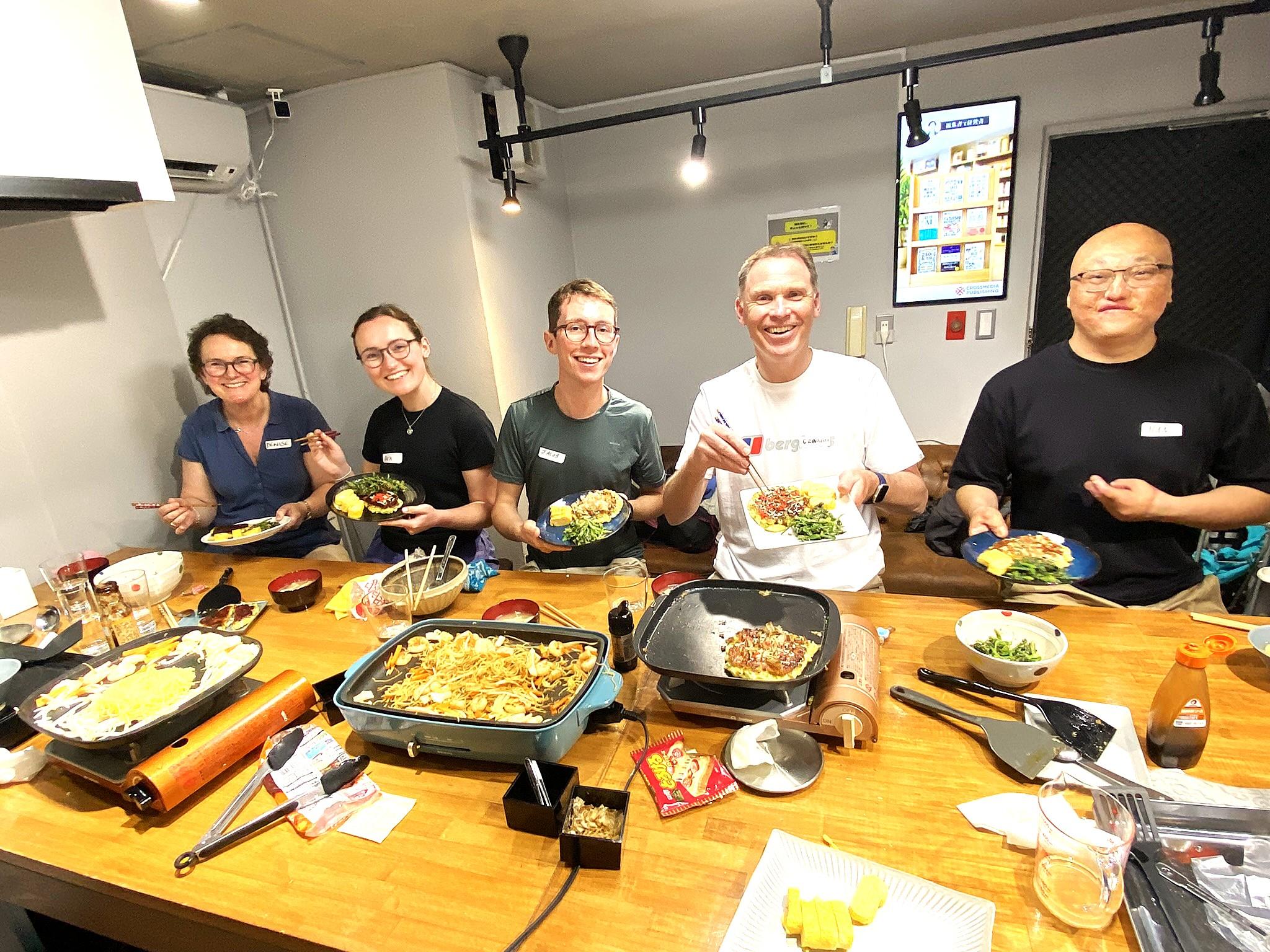
Small-group Shinjuku food walk with a local guide, 13 tastings, 4 eateries, and 2 drinks included.
Reserve
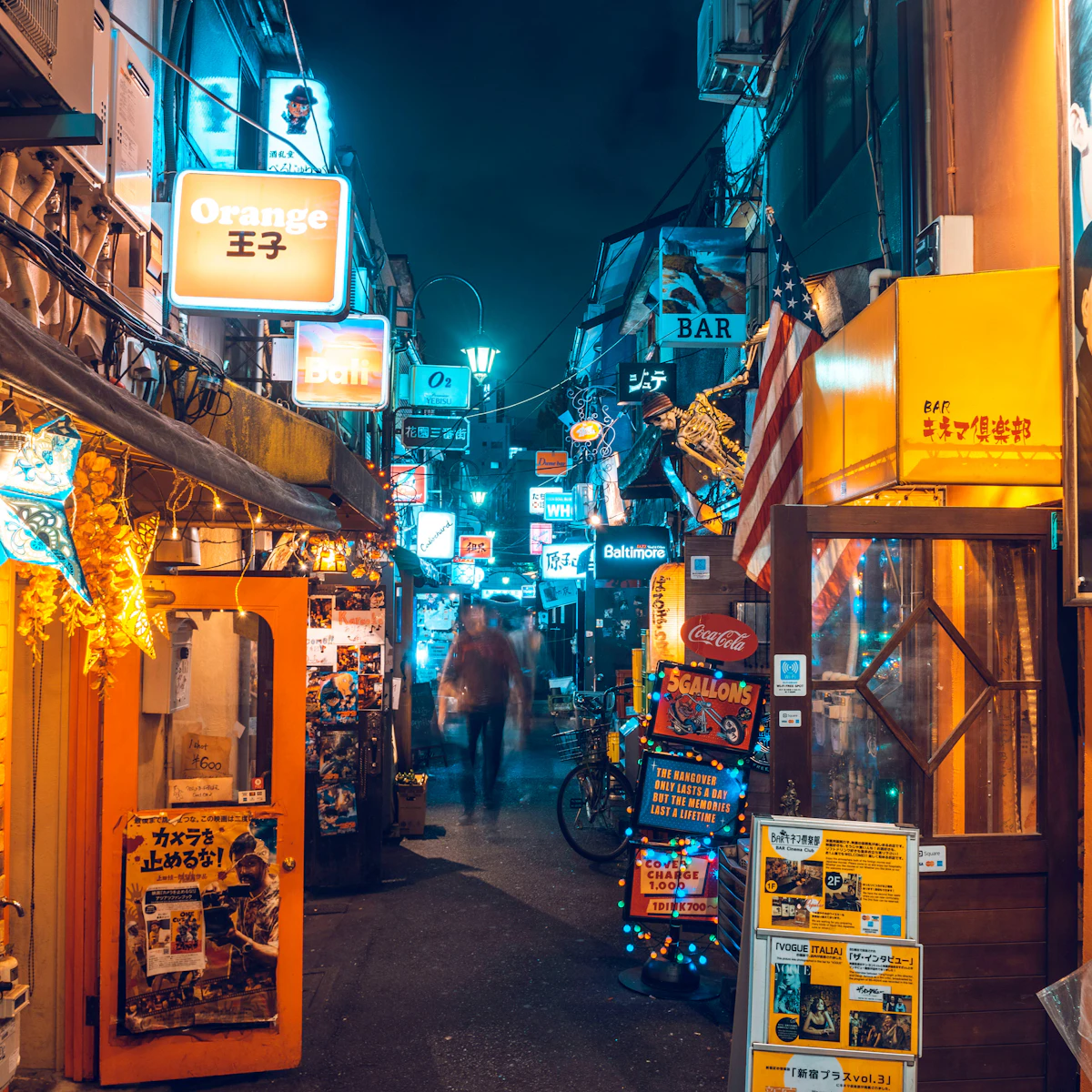
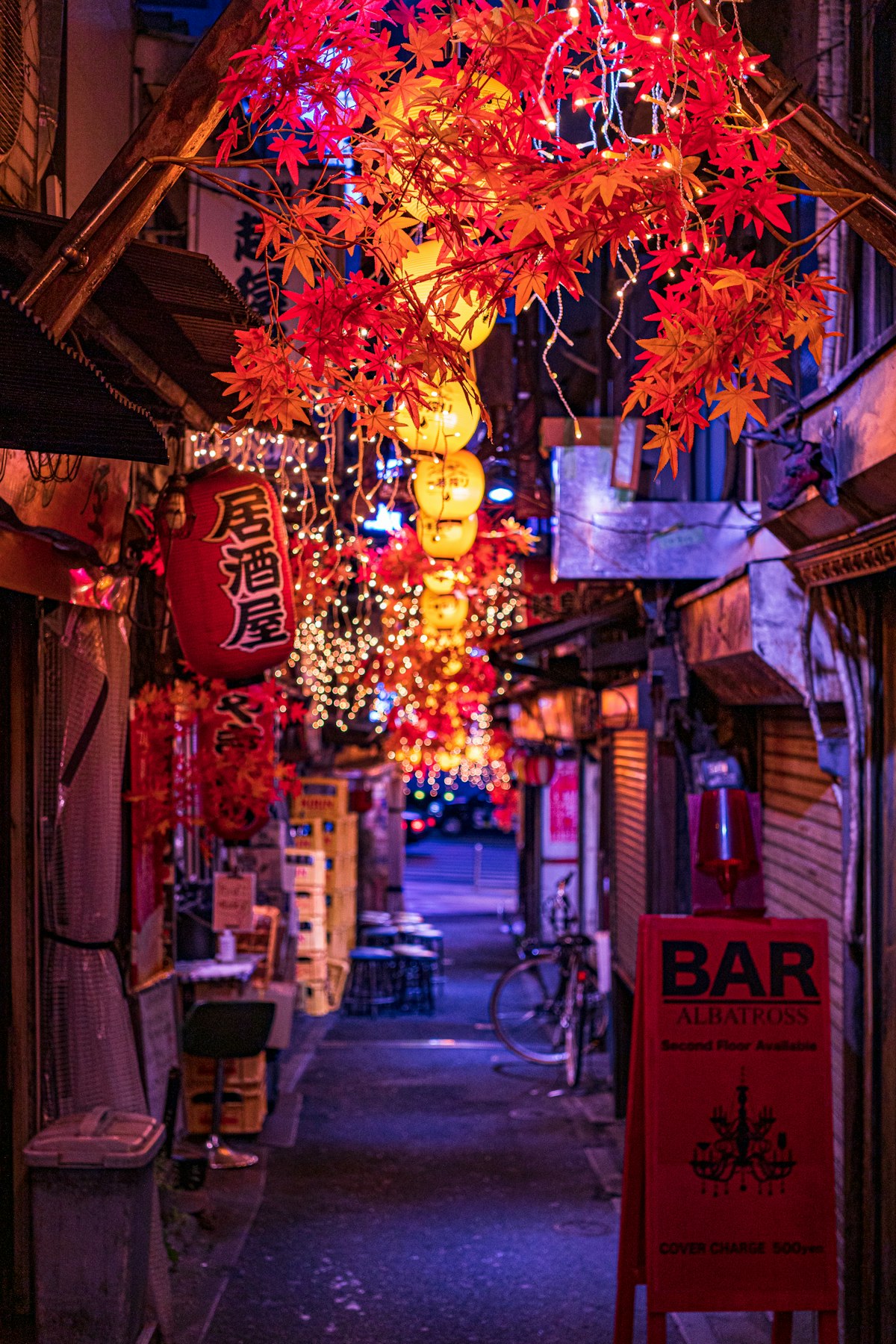
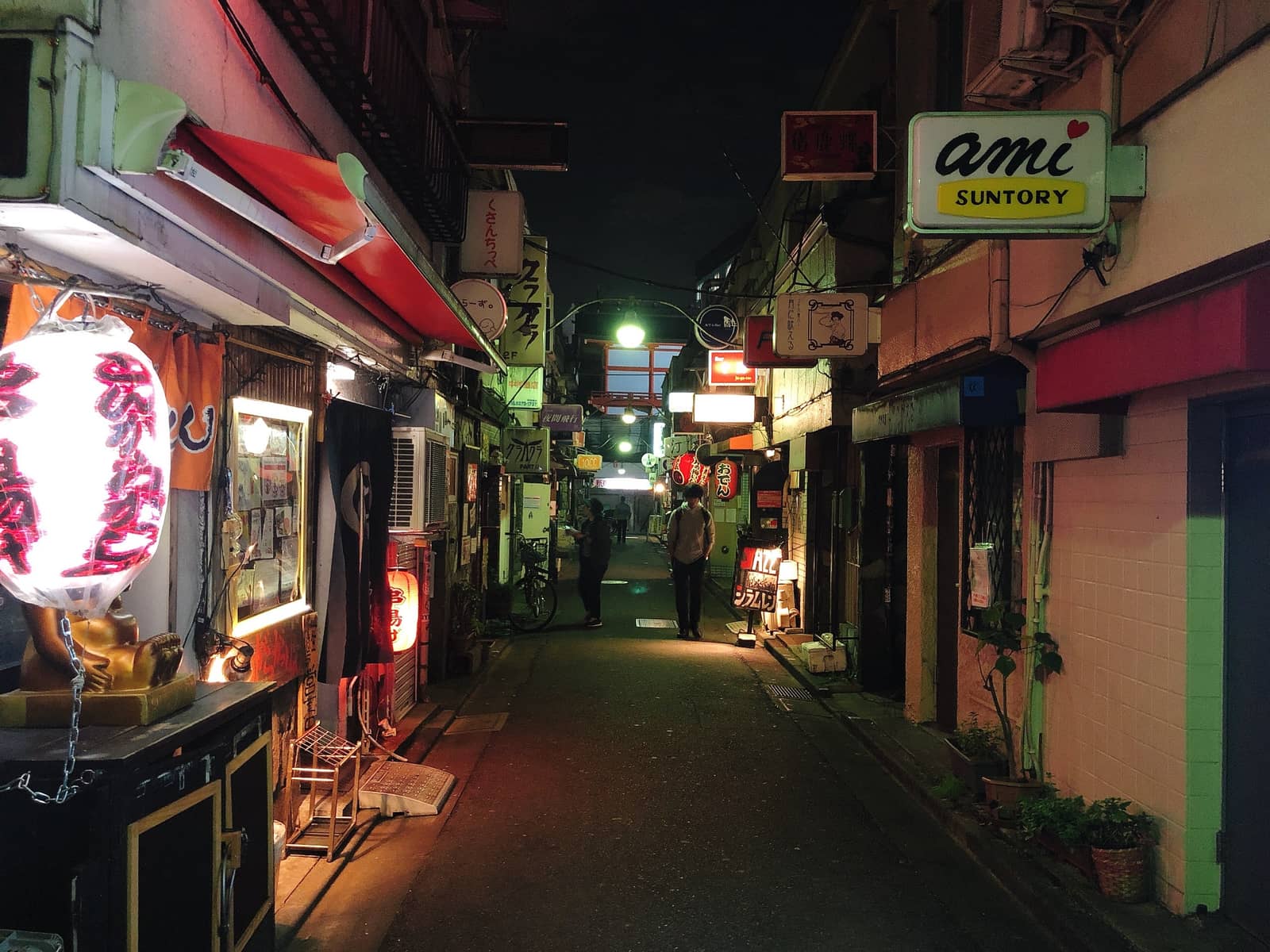
Lanterns flicker over Omoide Yokocho, and the griddles never quite cool.
Hand-picked by our editors — only the best 12 Shinjuku Food Tour tours from 240 reviewed.
Verified partners for Shinjuku Food tours, free cancellation where available, and instant confirmation on every booking.
3 hr
Small-group Shinjuku food walk with a local guide, 13 tastings, 4 eateries, and 2 drinks included.
Reserve
3 hr
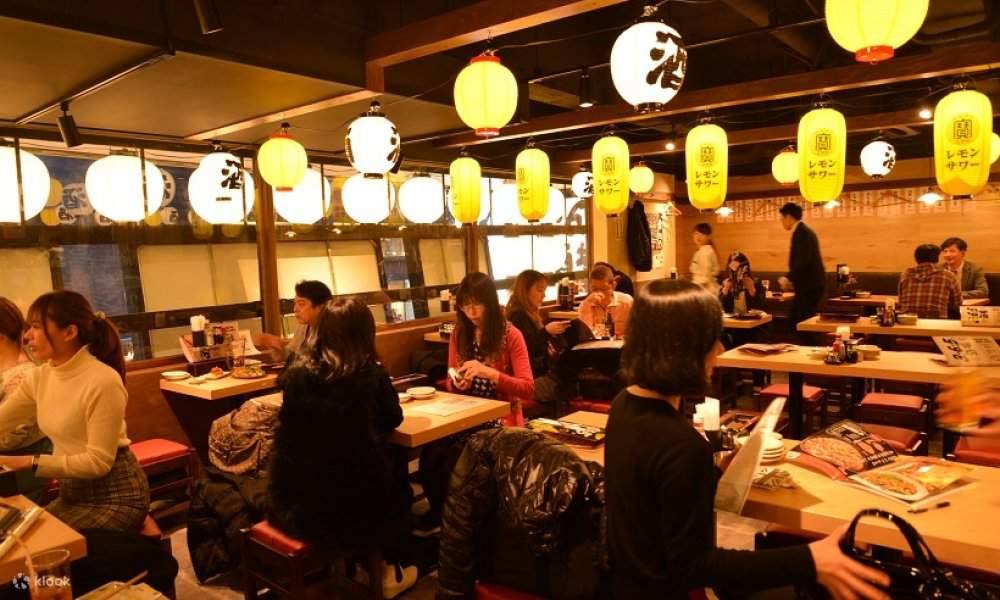
Sneak into Tokyo's hidden izakayas and bars with a local guide through Shinjuku's backstreets.
Reserve
3 hr
Hop between 4 hidden Shinjuku eateries for 15 dishes and 2 drinks with a friendly local guide.
ReservePrices from verified partners. Availability updates in real time at checkout. Free cancellation policies apply where shown.
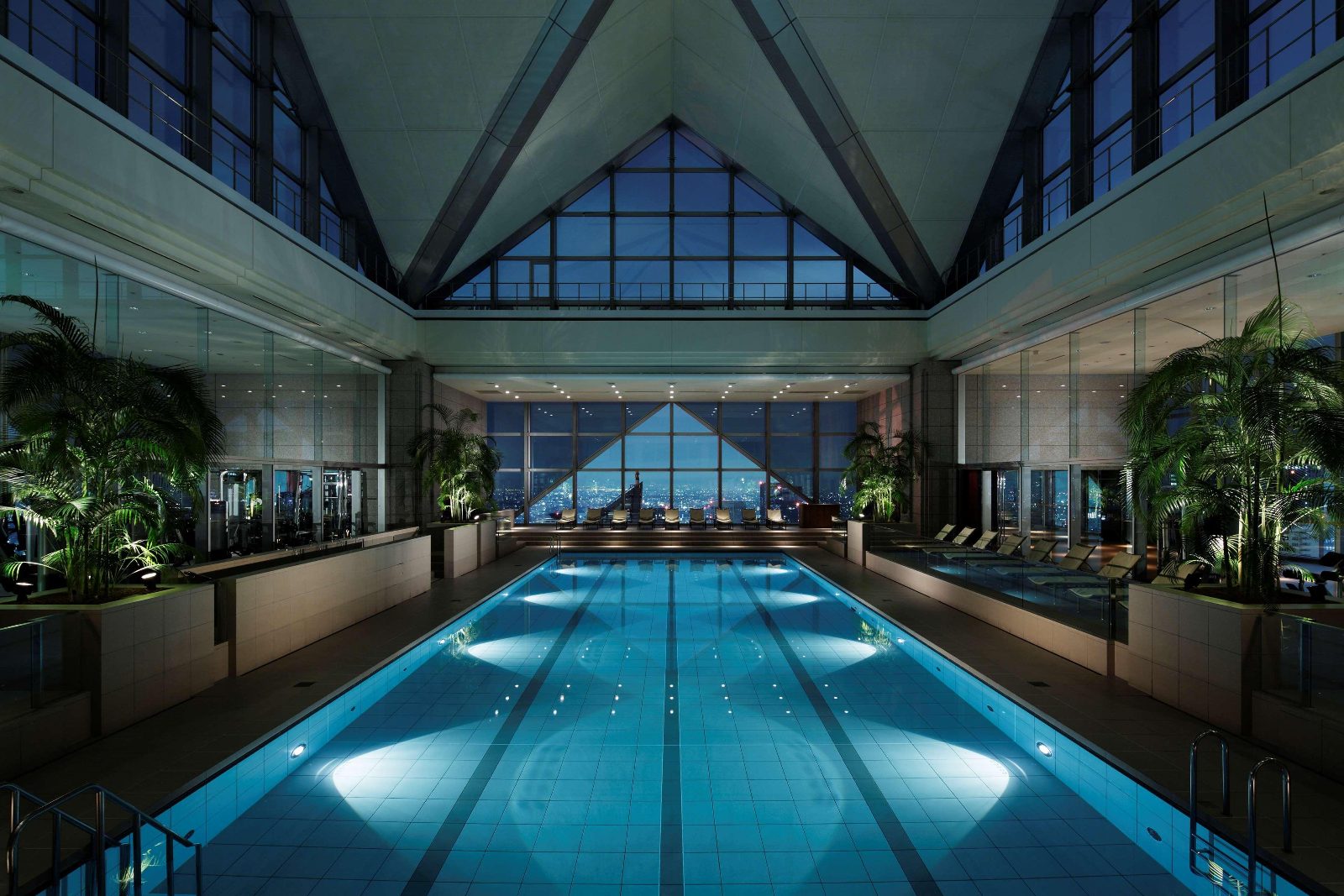
The landmarks, rooms, and views travelers on Shinjuku Food tours remember — all visible on a single visit.
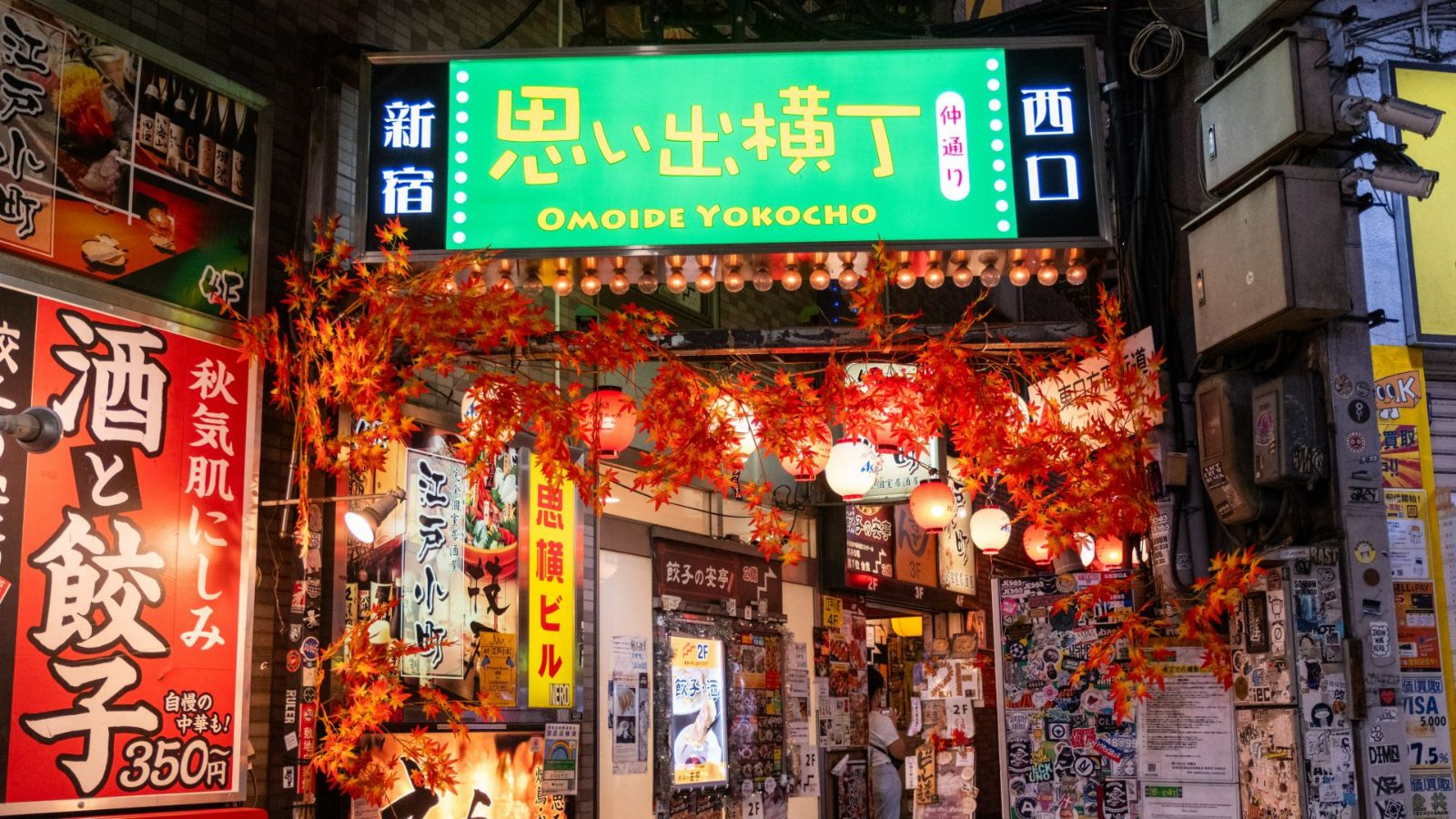
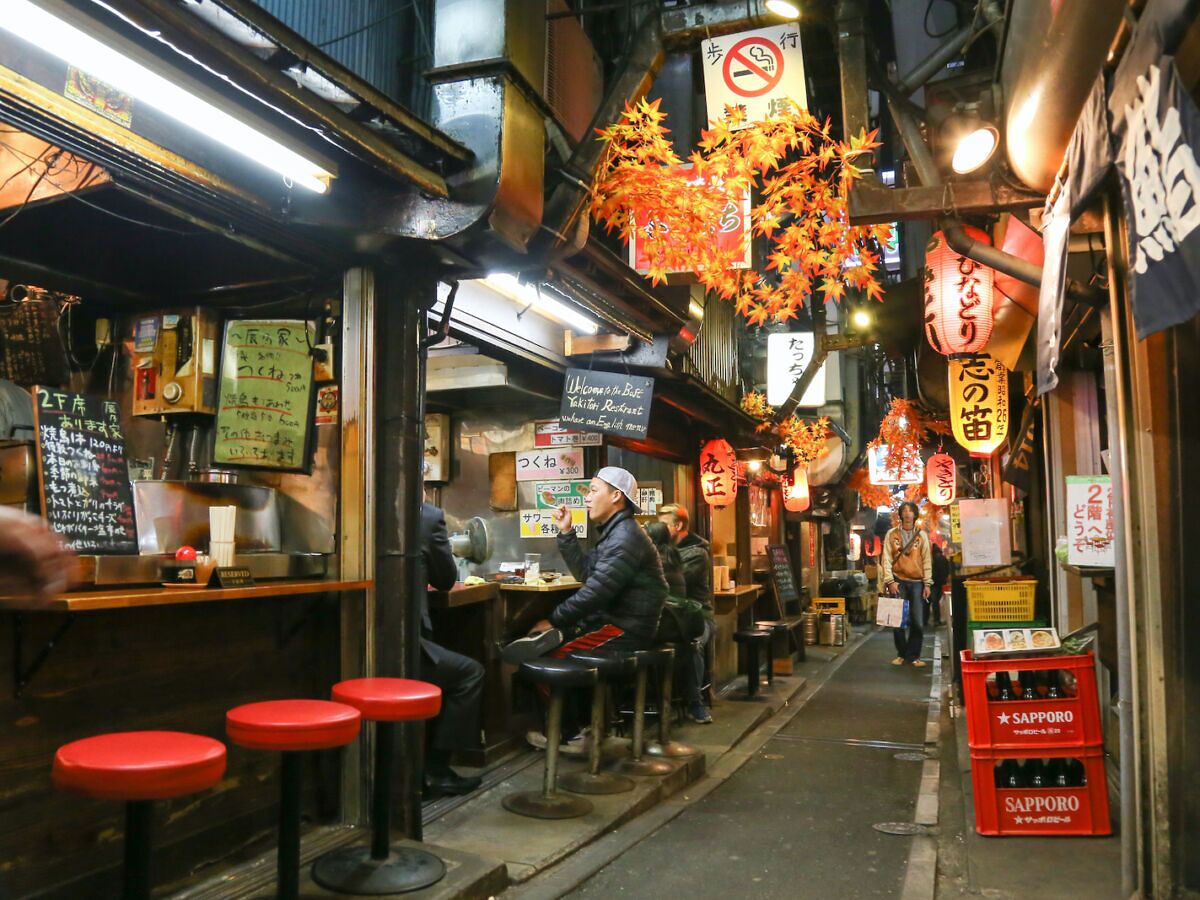
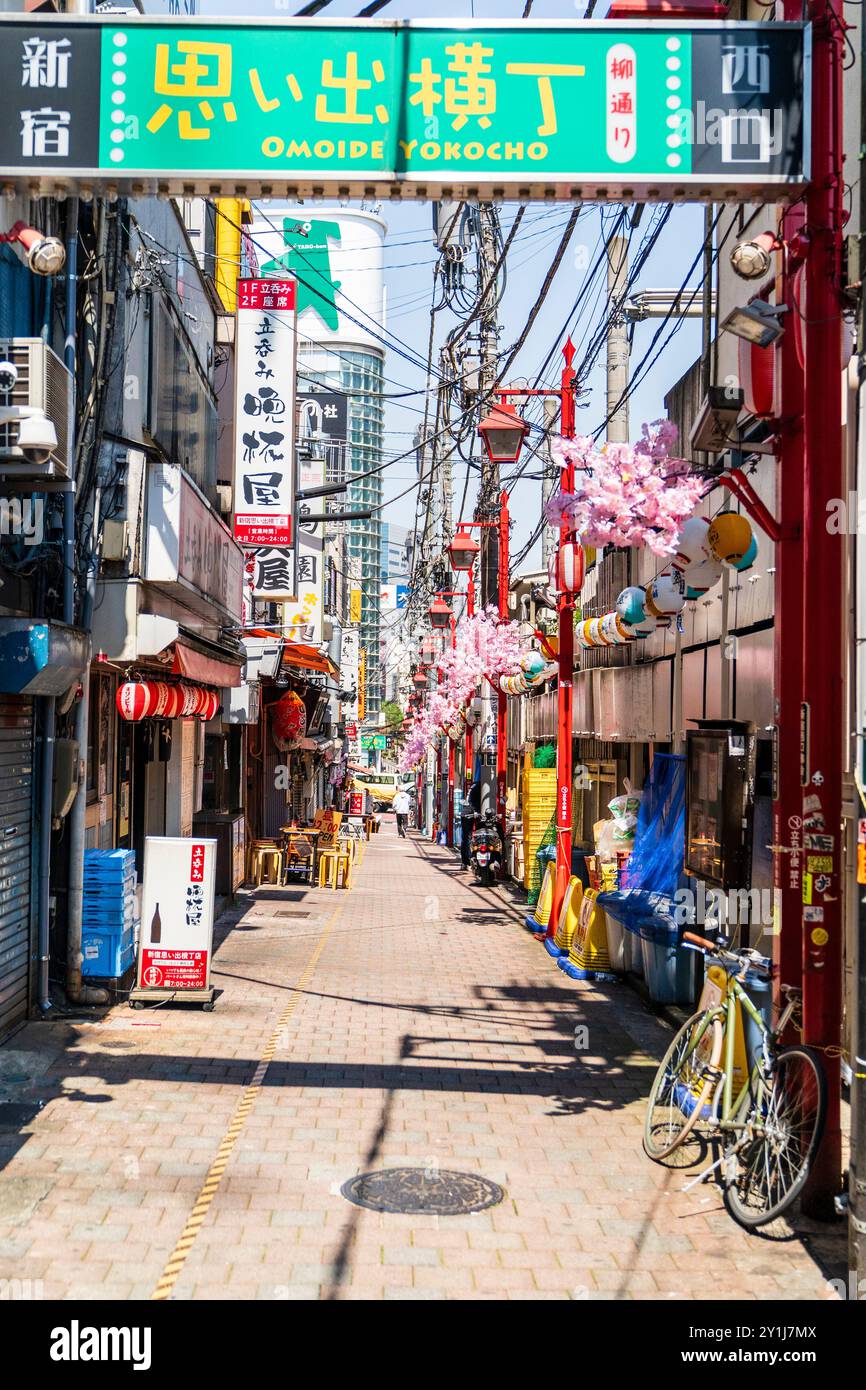
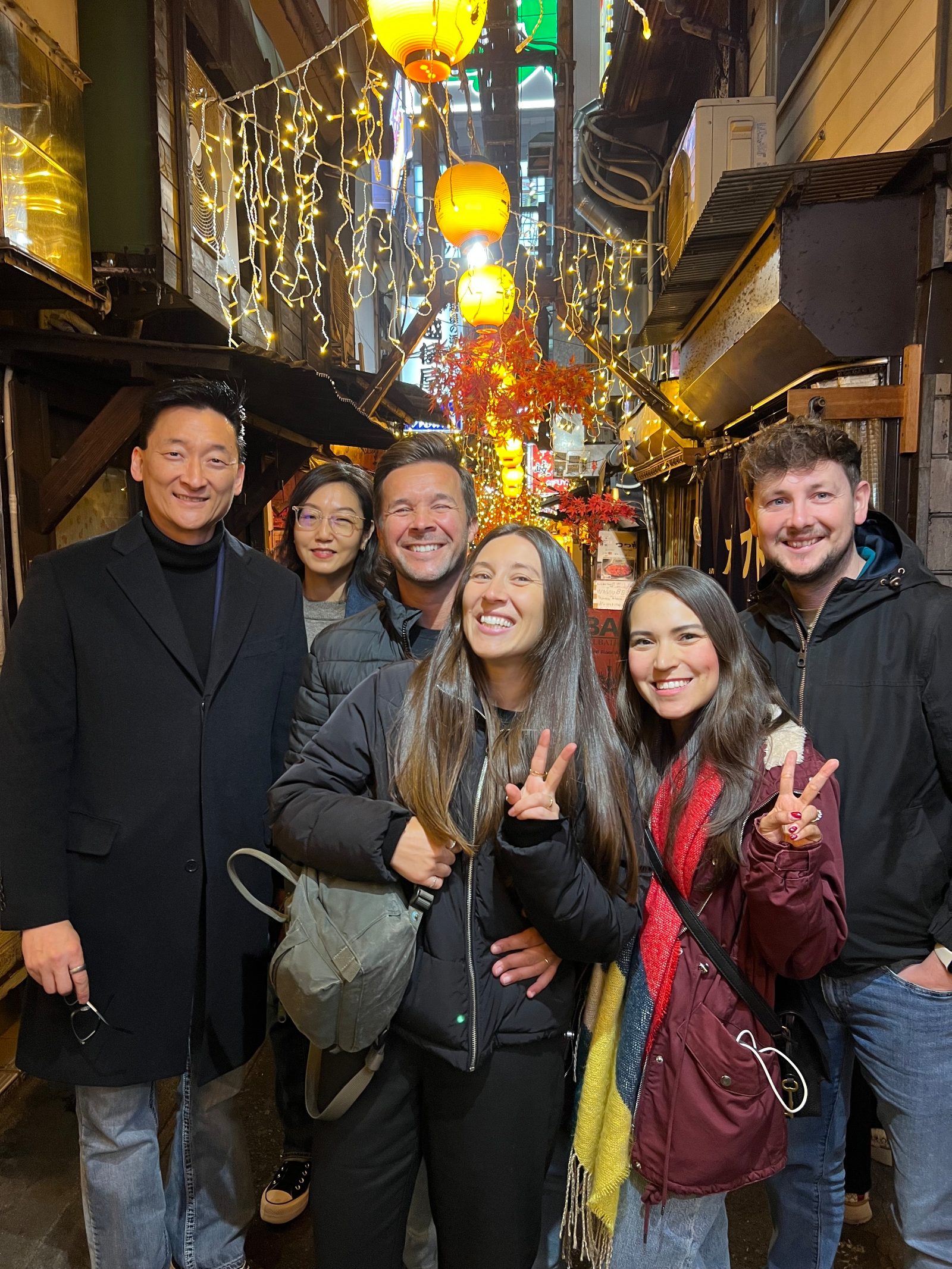
This narrow lane features over 60 stalls serving yakitori and motsunabe in a historic setting. It dates back to the post-war era of the 1940s.
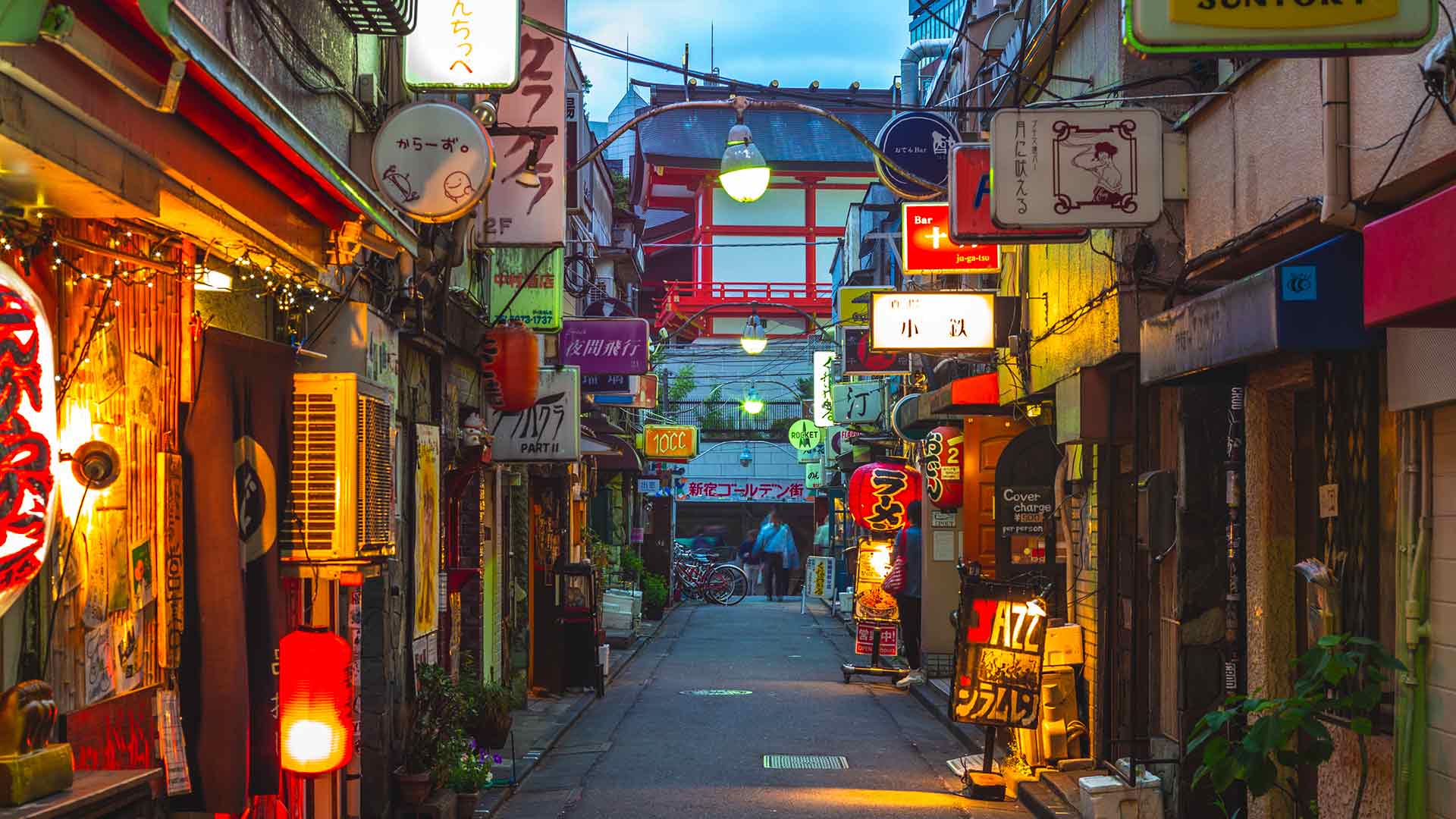
This district consists of six alleys housing over 200 tiny bars and eateries. Many structures occupy less than 10 square meters of floor space.
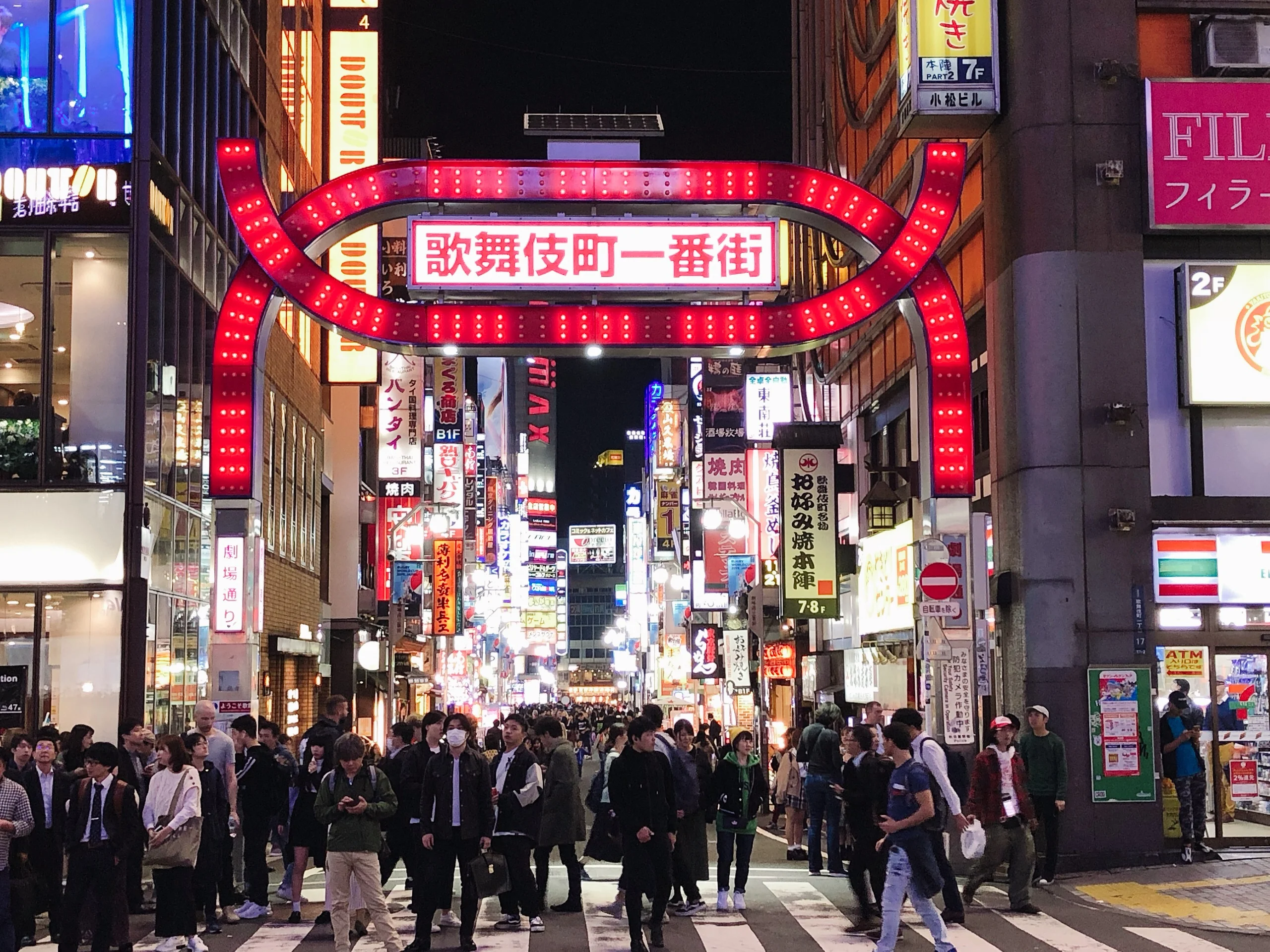
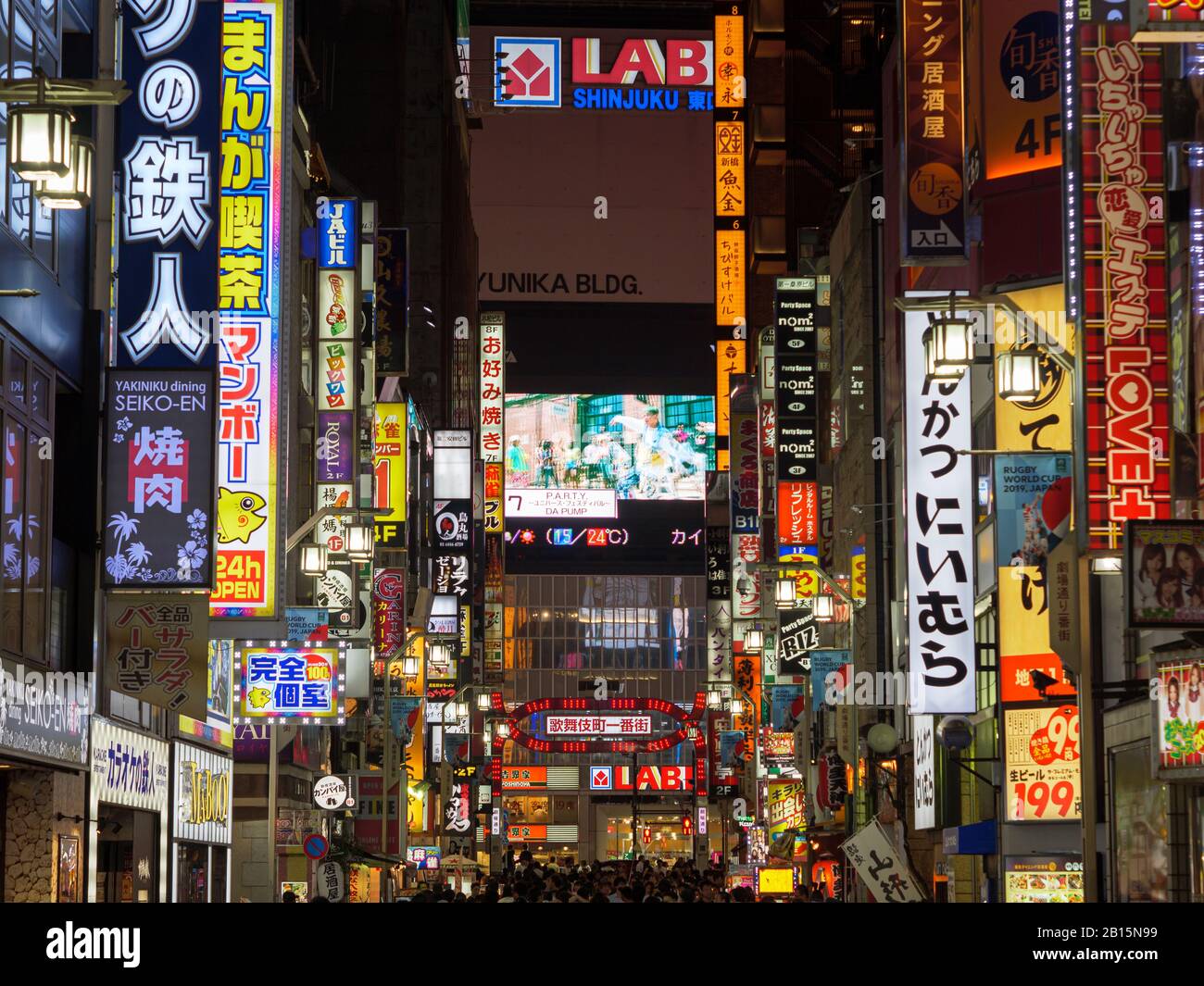
Known as a vibrant entertainment hub, this area features numerous dining and nightlife options. It is home to iconic neon signs that define the local aesthetic.
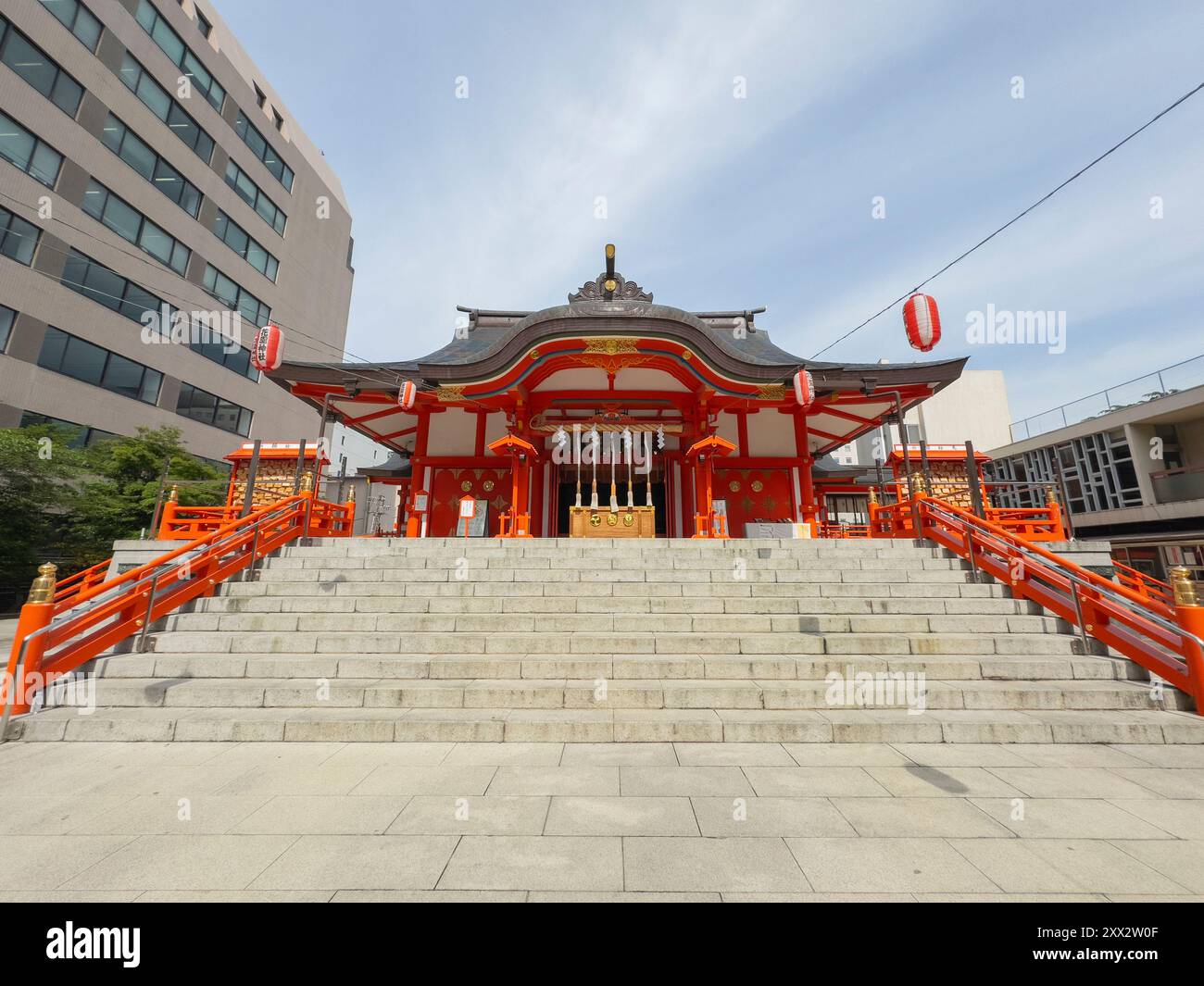
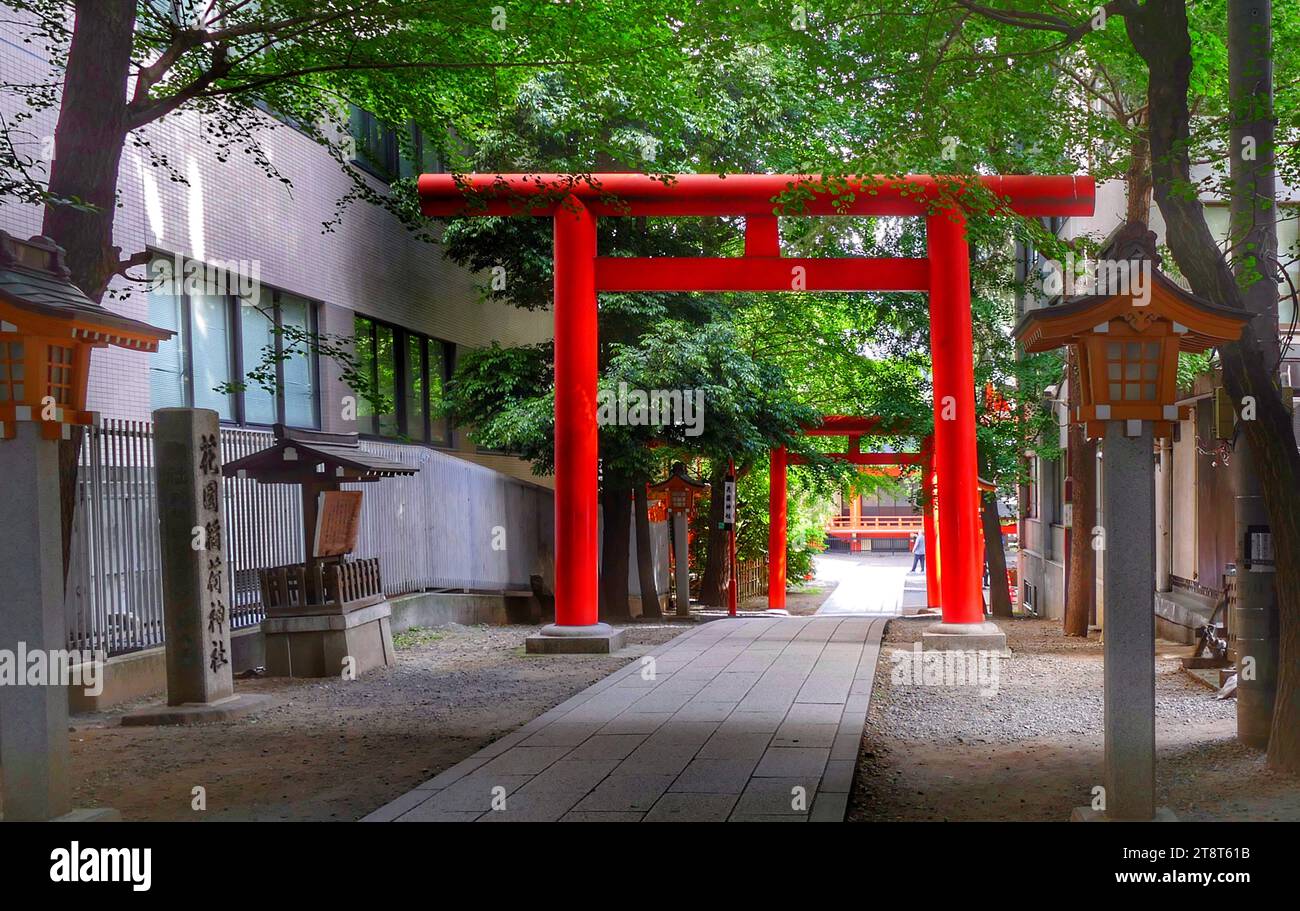
This Shinto site provides a calm atmosphere near the bustling nightlife area. It hosts seasonal festivals that attract local food vendors.
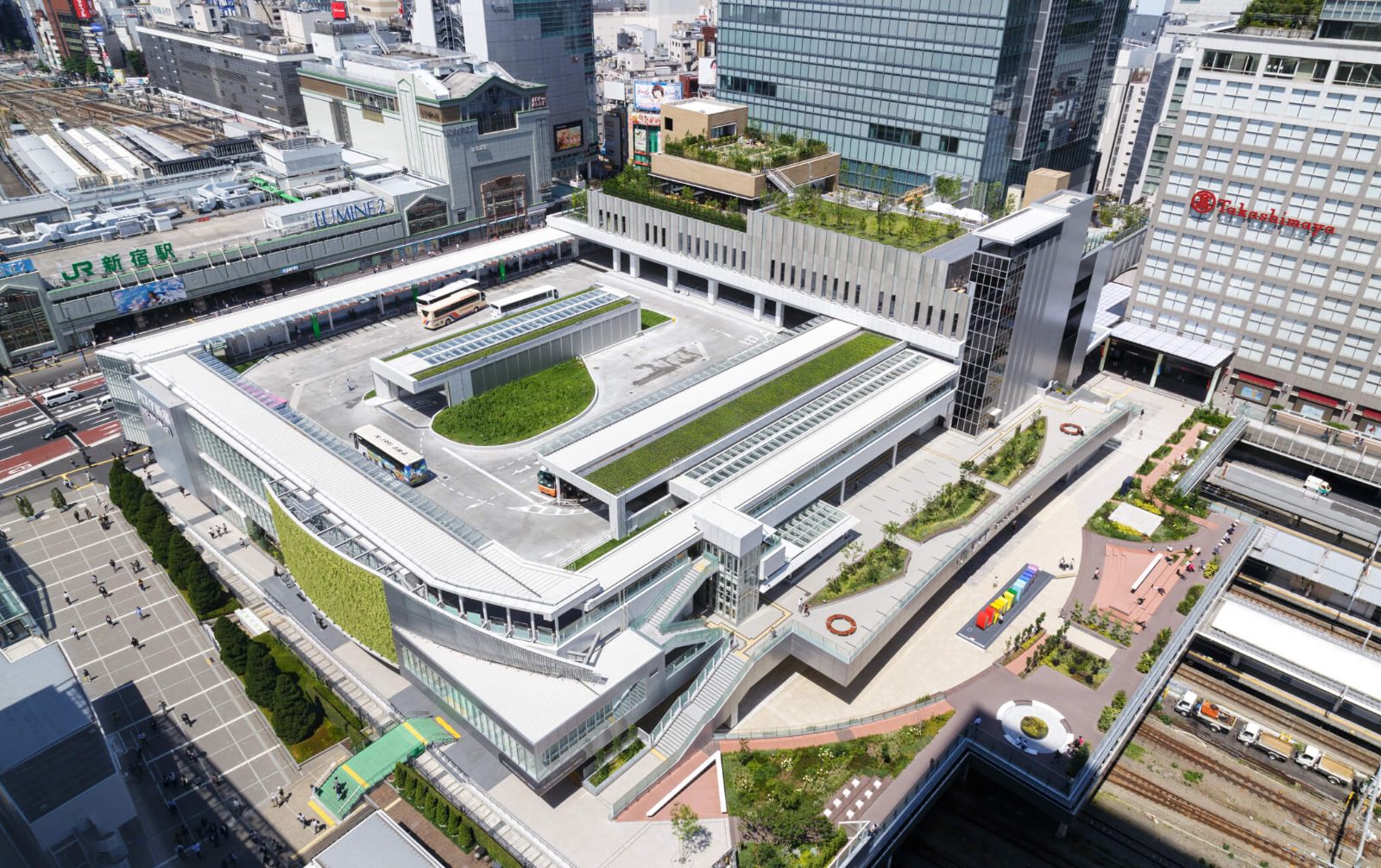
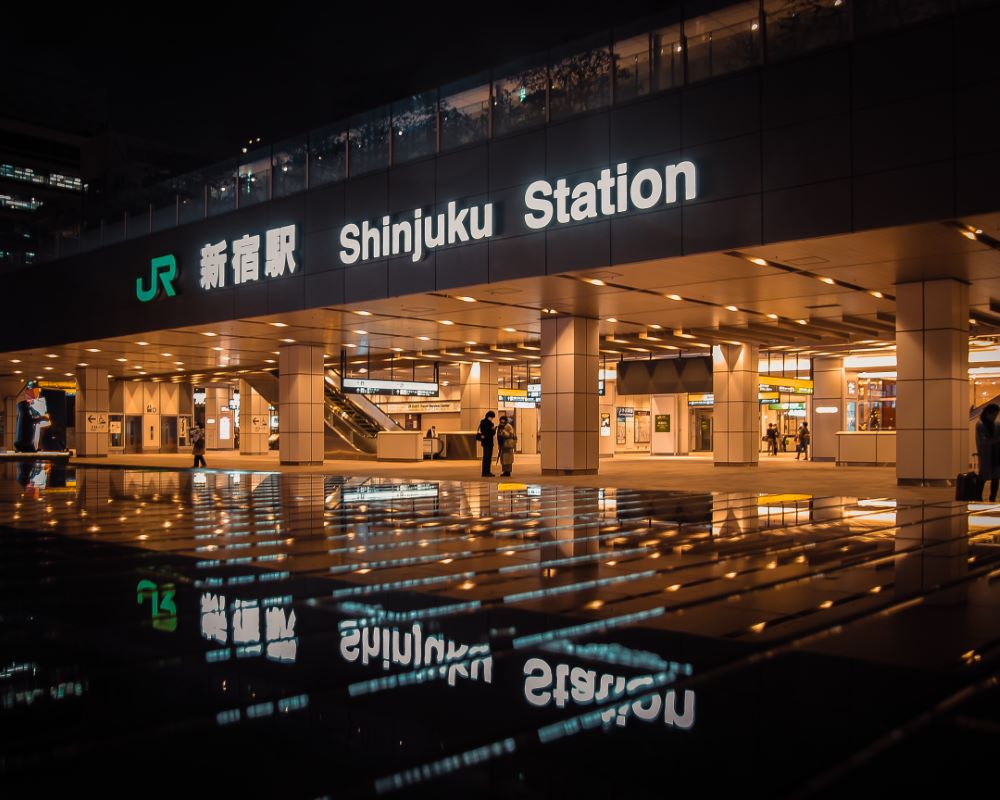
Serving as one of the world's busiest transport hubs, it connects visitors to various culinary districts. The station area contains massive underground food halls known as depachika.
Every Shinjuku Food tour side-by-side — duration, what's included, how you redeem.
| Experience | Duration | Rating | Guide | Small group | Free cancel. | Price | |
|---|---|---|---|---|---|---|---|
|
Standard Entry Most popular
Shinjuku Night Food Tour: 13 Dishes at 4 Local Eateries
|
3 hr | ★ 4.9 | ✓ | ✓ | ✓ | €63 | Book → |
|
Standard Entry
Shinjuku Local Bar & Izakaya Crawl Tour
|
3 hr | ★ 4.9 | ✓ | ✓ | ✓ | €30 | Book → |
|
Standard Entry
Shinjuku Food Tour: 15 Dishes at 4 Local Eateries
|
3 hr | ★ 4.8 | ✓ | ✓ | ✓ | €61 | Book → |
All prices from verified partners. Availability and exact terms confirmed at checkout.
They complement each other; most visitors who do both call the guided shinjuku food tour the more educational experience for newcomers navigating the hidden alleyways. While a shinjuku food tour tour provides curated discovery, the self-guided approach offers superior freedom for those preferring to linger in local gastro-bars.
| Feature | Top pick Shinjuku Food Tour | Self-Guided Izakaya Hopping |
|---|---|---|
Structure |
Pre-planned itinerary | |
Ease of Entry |
Booked in advance | |
Cultural Insight |
Expert-led commentary | |
Cost Efficiency |
All-inclusive pricing | |
Social Interaction |
Group environment | |
Flexibility |
Fixed schedule and route | |
| See tickets → |
Verdict: Securing shinjuku food tour tickets is ideal for structured social discovery, whereas self-guided options grant greater autonomy over your evening Tokyo landmarks crawl.
Choose your ticket, select your date, and reserve in under two minutes. Secure checkout handled by our verified partner.
Instant confirmation by email, with a mobile voucher you can save offline. No printing, no queuing at a collection desk.
Arrive at the entrance, show your voucher on your phone, and walk in. Most tickets include priority or skip-the-line access.
Practical details for Shinjuku Food tickets straight from our verified partners — hours, access, rules, and how to get there.
Shinjuku City, Tokyo
Standard meeting point for most local tours
Open in Google MapsJR Yamanote Line provides direct access to Shinjuku Station. Multiple subway lines including Marunouchi and Oedo lines serve the area directly.
Central areas are highly walkable once you exit the station. Pedestrian navigation is the most effective way to reach hidden tour stops.
Casual attire is appropriate for navigating the crowded lanes of a shinjuku food tour. Comfortable walking shoes are recommended due to uneven pavement in older districts.
Keep personal belongings minimal during your shinjuku food tour. Many venues have limited space, making large backpacks impractical for indoor seating.
Always ask permission before taking photos of shop staff or other patrons. Respect private property signs while documenting your shinjuku food tour experience.
Navigating the shinjuku food tour routes can be challenging for those with limited mobility due to steep stairs. Some traditional izakayas lack elevator access.
Mobile phones are permitted. Keep ringer off inside exhibition spaces.
While many venues welcome diners, a shinjuku food tour involving late-night izakayas may not be suitable for young children. Verify age requirements with specific operators.
The entrance fee is 0 JPY; food and drinks are purchased individually at various venues. Carry cash as smaller establishments on a shinjuku food tour often do not accept credit cards.
Pets are not allowed, with the exception of service animals with appropriate documentation.
Last entry is typically 1 hour before closing. Check the specific ticket for timing.
Best time to go, insider tips, nearby landmarks, and the cancellation fine print — flip through to skim what matters to you.
How crowds, weather, and events shift across the year.
Mild temperatures make walking between food venues very comfortable. Cherry blossoms add to the aesthetic appeal of the district.
Evenings provide a reprieve from daytime heat, ideal for the 18:00–21:00 arrival window. August nights are vibrant and busy.
Cooler air encourages enjoying hot food items at outdoor stalls. Foliage creates a picturesque backdrop for evening strolls.
Festive lights illuminate the streets during December and January. Hot sake and warming stews are local seasonal favorites.
Small details that turn a good visit into a great one.
Many independent food stalls in Shinjuku do not accept cards. Ensure you have small denominations of yen for quick transactions.
If a shop has a long line of locals, it is often a sign of quality. Observe local dining patterns to find the best spots.
While the area is vibrant until late, verify specific venue hours as they vary. Use the 18:00–21:00 arrival window for the best variety.
Knowing simple Japanese for ordering or paying is appreciated by staff. It enhances the social aspect of your visit.
Tokyo summers can be humid, so balance your food intake with water. Shops often provide complimentary tea or water.
Complex or formal clothing can be cumbersome in cramped dining spaces. Opt for practical and comfortable layers.
Non-bookable sights within a short walk — free to visit, easy to pair.
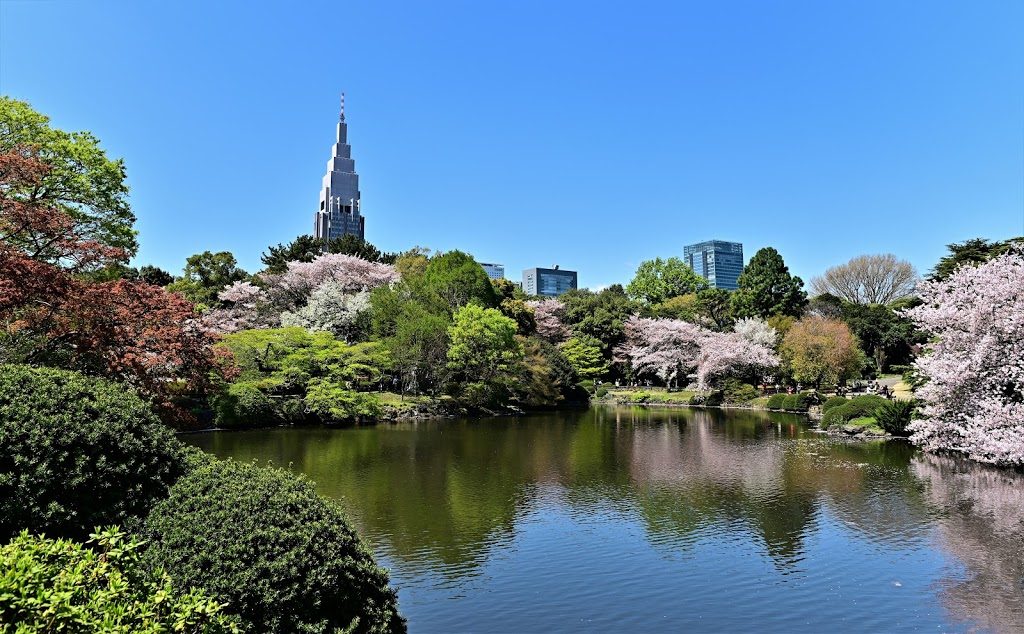
A large, peaceful garden offering a contrast to city noise.
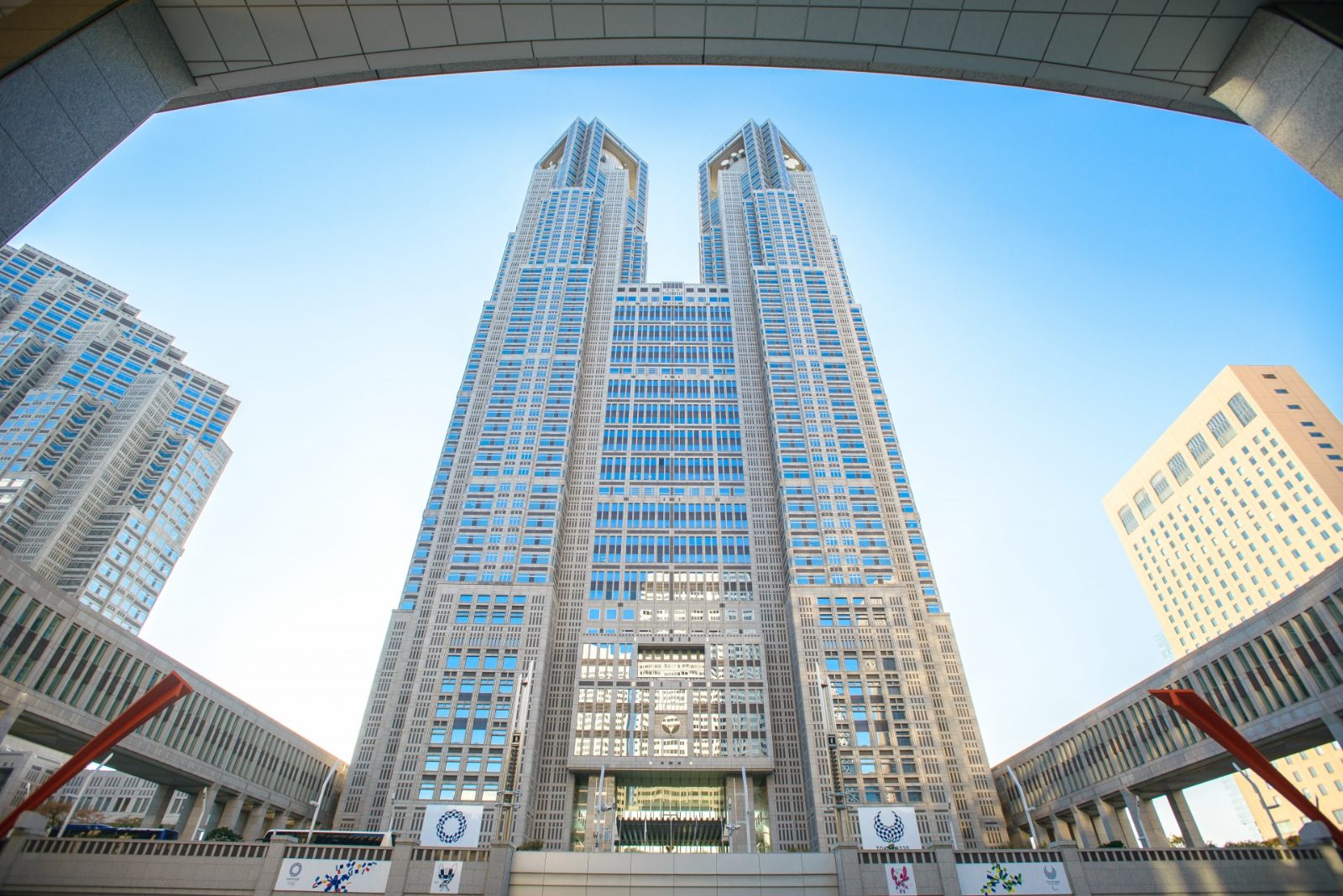
Provides observation decks for panoramic city views.
A historic Shinto shrine located near the nightlife district.
Flexible, no hidden fees.
Since there is a 0 JPY entrance fee, there are no cancellation fees for general entry. Guests booking a private guide for a shinjuku food tour should consult their specific operator's terms.
Hand-picked options within walking distance — pick a district for vibe, or a specific hotel for convenience.
High-end lodging with iconic city views.
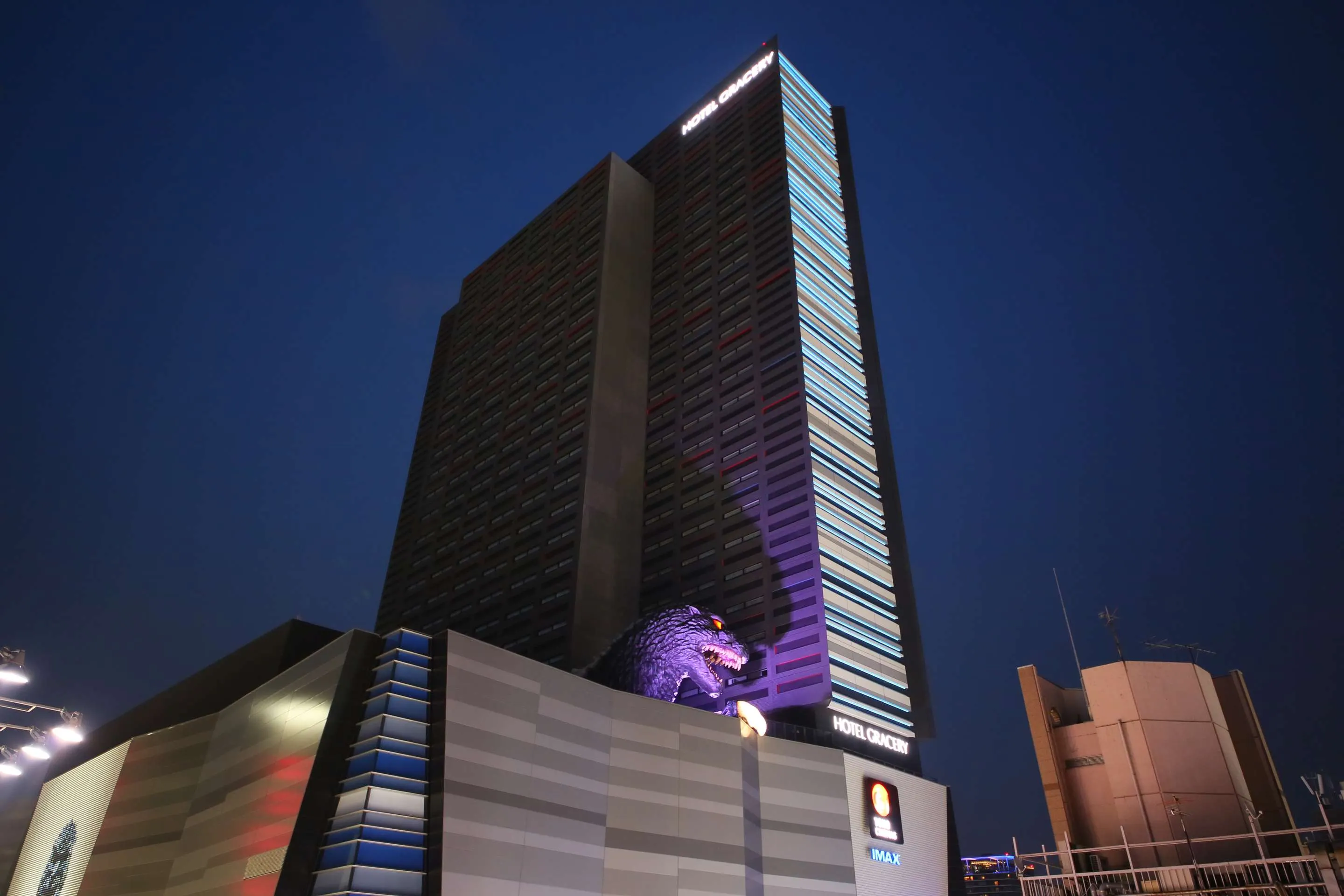
Located in the heart of the entertainment district.
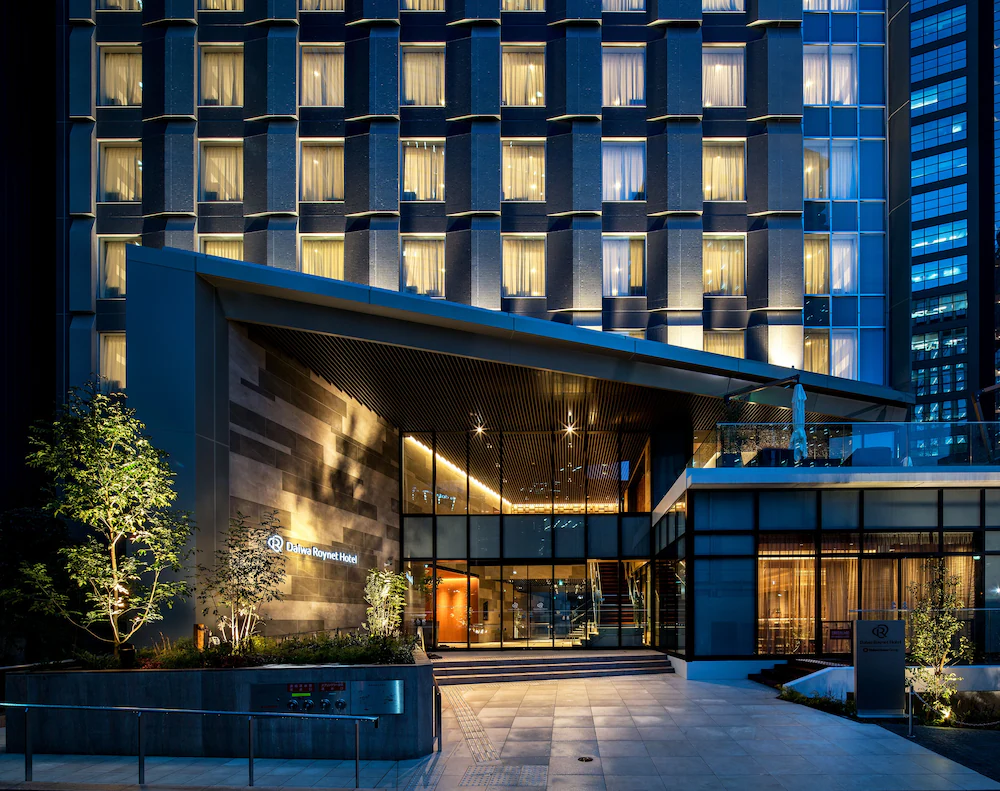
Numerous functional options available throughout the area.
Shinjuku Station moves more than 3.5 million passengers on an average day, a figure that has kept it, by Guinness reckoning, the busiest railway station in the world. The ward it anchors — Shinjuku City, Tokyo, Japan — holds several thousand licensed eating and drinking establishments inside a few square kilometres.
A shinjuku food tour is therefore less a route than a method of narrowing that number down. Nothing here is quiet, and nothing closes early.
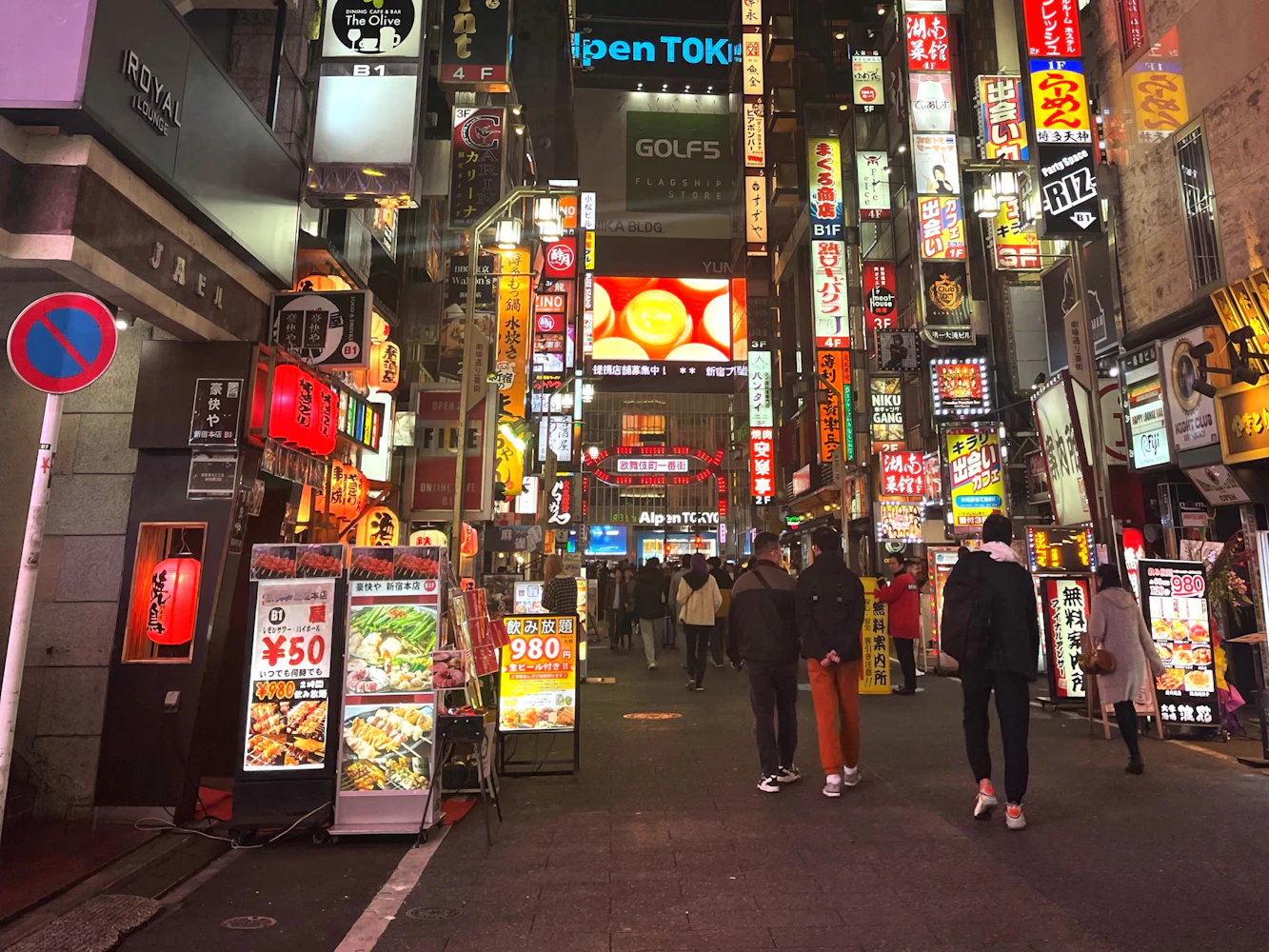
The alleys came out of scarcity. Omoide Yokocho — Memory Lane — took shape as a cluster of postwar black-market stalls beside the station's west exit, and still packs roughly sixty shopfronts under one low canopy, their motsuyaki grills venting smoke into a passage barely two metres across. Golden Gai, six lanes east of Yasukuni-dōri, preserves close to two hundred bars in two-storey wooden blocks that survived both wartime bombing and the bubble-era demolition that flattened their neighbours. Many seat six people. Kabukichō grew beside them as a planned entertainment quarter in the 1950s, its neon now shorthand for Tokyo nightlife. Any shinjuku food tour tour treats these three pockets as its spine.
Depth, not novelty, sustains the district. Tsunahachi has fried tempura near the station's east side since 1923. Standing counters turn out soba in four minutes; basement izakaya pour sake by the flight; ramen shops keep separate queues for tsukemen. Because the ward has no gate and no entrance fee — 0 JPY, with food and drinks purchased individually at various venues — the cost of an evening is entirely the sum of what a visitor orders. That is the reason guided shinjuku food tour tours exist at all: a host does the ordering, the translating, and the choosing among two hundred doors.
That demand is legible online. Searches for shinjuku food tour tokyo run alongside operator listings on Viator, Get Your Guide and Klook, while Reddit threads argue over which lanes have turned touristic and which still keep their regulars. Reviewers on Tripadvisor sort Tokyo izakaya walking tours by group size more often than by price. The district has entered fiction too: its stations and back streets are mapped in detail in games such as Digimon Story: Cyber Sleuth. What survives all of it is a working system of small kitchens, narrow doorways and shared counters — the lanterns on at six, the griddles hot until the last train.

"The cost of an evening in Shinjuku is entirely the sum of what a visitor orders."
A step-by-step walkthrough of Shinjuku Food tickets — what you'll see, how long each stage takes, and the details that matter.
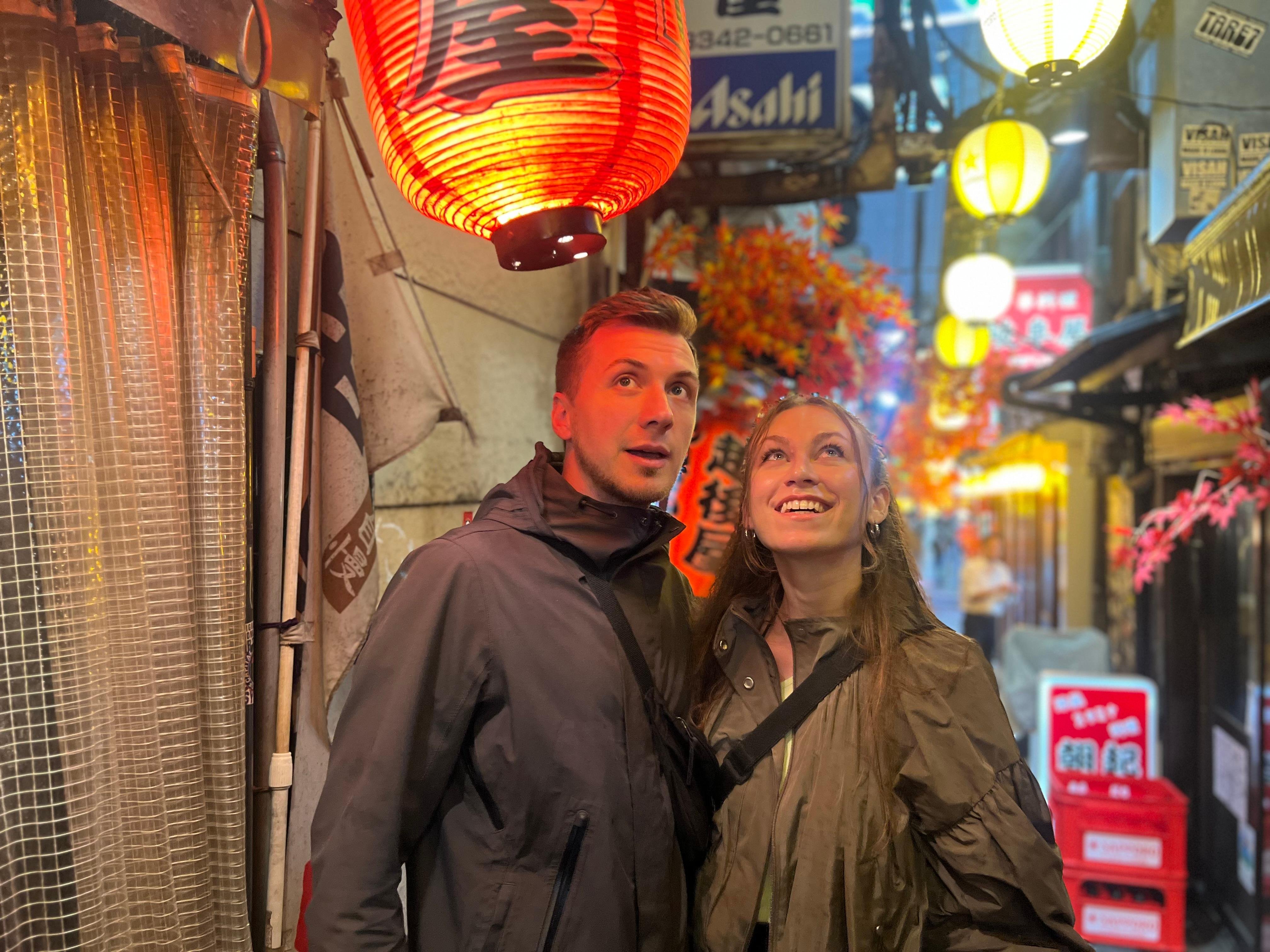
You come up from the Shinjuku Station west exit into the noise of a hundred rice cookers and step under the canopy of Omoide Yokocho with your shinjuku food tour tickets open on your phone. The lane is barely two metres wide. Charcoal smoke sits at head height.
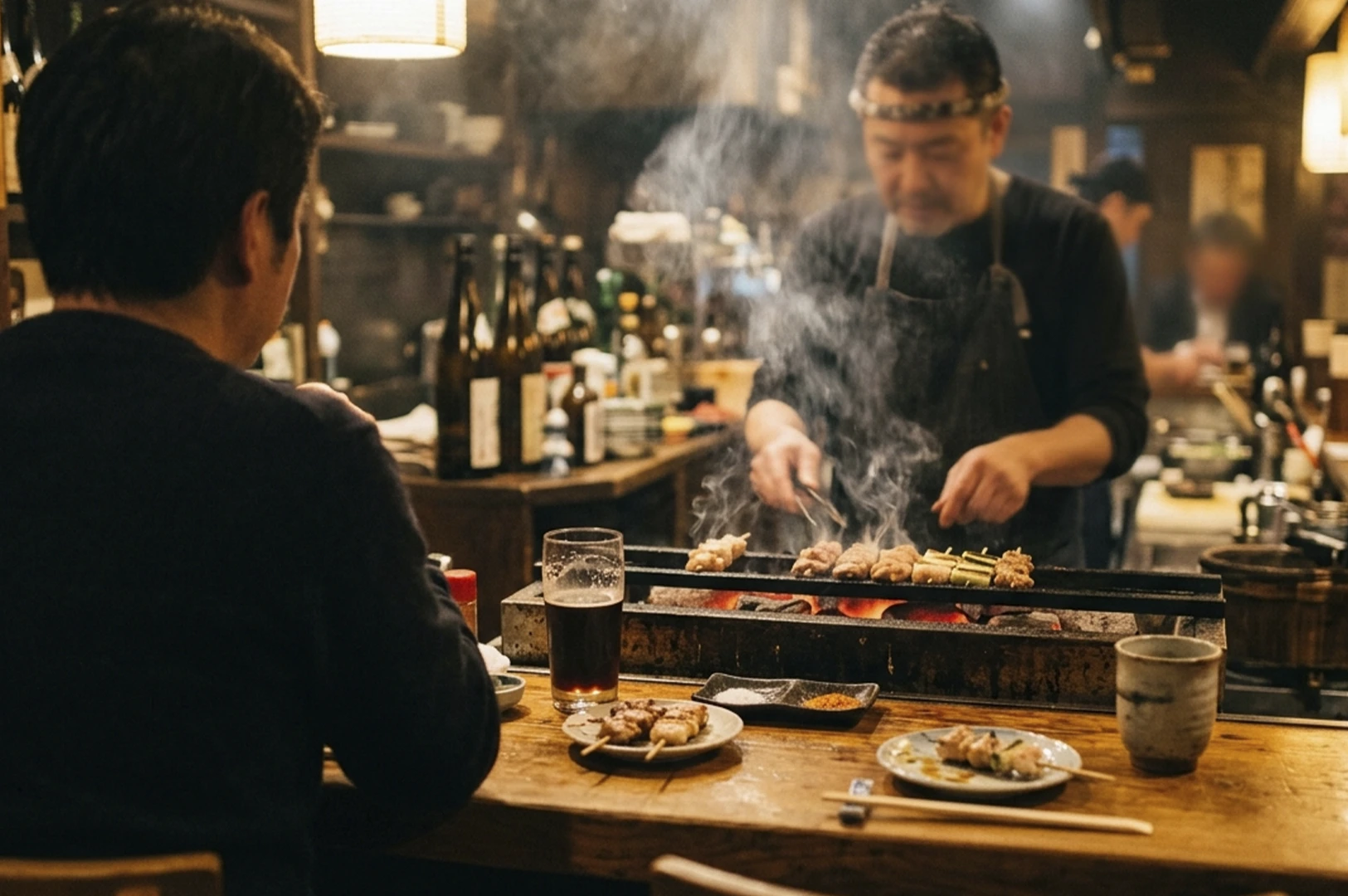
A cook slides six skewers of motsuyaki onto a tray, and you eat standing, elbow to elbow with a salaryman who has not taken off his badge.
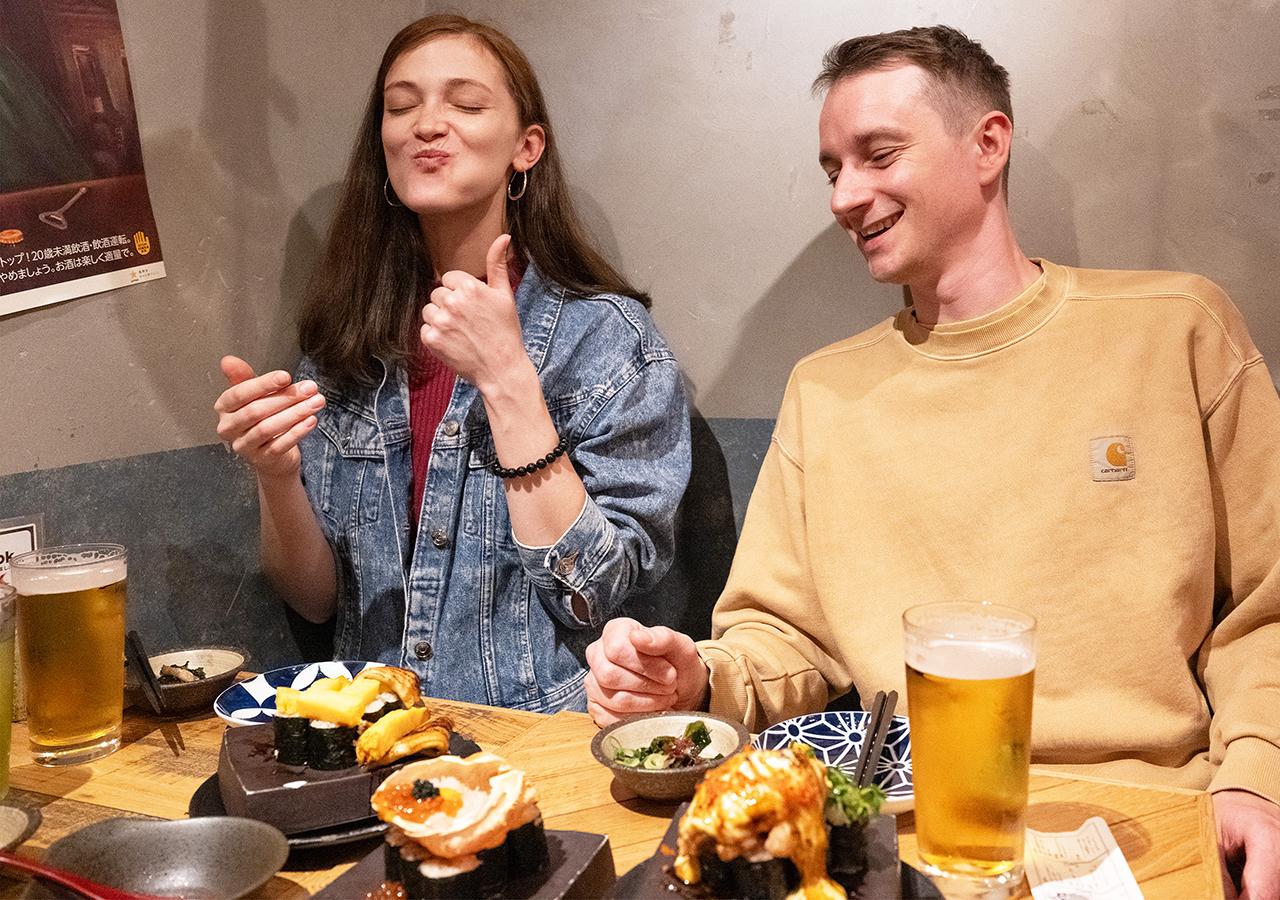
You cross Yasukuni-dōri. The neon of Kabukichō starts at ground level and climbs eight storeys, and your group thins to single file to fit between the buildings. Somewhere around the third stop a small glass of sake and a bowl of oden reach your hands, and you learn to say sumimasen loudly enough to be heard. Some operators advertise fifteen dishes across four eateries, so you pace yourself: half of each portion, all of the broth.
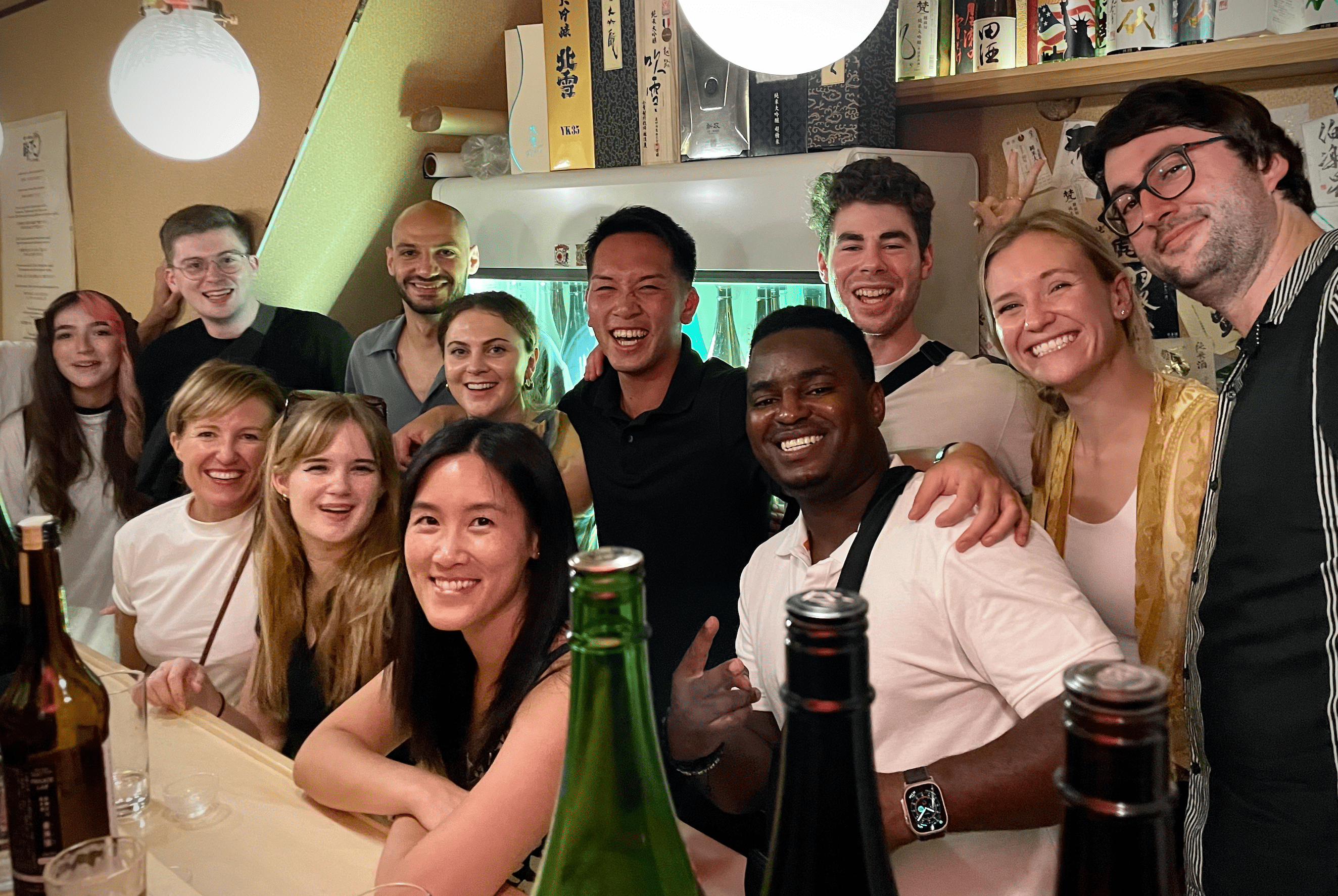
Arriving between 18:00 and 21:00 puts you in the lanes as the lanterns come on, when the counters fill and the district loosens. Because there is no entrance fee — 0 JPY — you pay only for what you order, venue by venue. Later you climb narrow stairs into Golden Gai, into a bar with seven seats and a landlady who remembers faces. You finish over shio ramen, then walk back toward the station. The griddles are still going.
The area is open 00:00–23:59 daily, allowing flexibility for any shinjuku food tour. Individual venues set their own service hours within this timeframe.
Navigating a shinjuku food tour can be difficult for those requiring elevators due to narrow, older architecture. Please check specific routes if you have mobility requirements.
The entrance fee is 0 JPY; food and drinks are purchased individually at various venues during your shinjuku food tour. You only pay for what you consume.
The best arrival window is 18:00–21:00 for the most vibrant izakaya atmosphere. This is the optimal time to experience a shinjuku food tour.
While there is no formal security checkpoint, avoid bringing large luggage or professional filming gear. Such items are prohibited in the tight spaces of a shinjuku food tour.
Photography is generally allowed, but always be respectful of staff and private patrons. Capture the neon spirit of your shinjuku food tour discreetly.
Wear comfortable, casual clothing and walking shoes. Being prepared for varying temperatures is vital for a pleasant shinjuku food tour experience.
Many nightlife venues cater to adults, so a shinjuku food tour may not be suitable for children. Always confirm the policy with your guide or venue in advance.
Use Shinjuku Station as your primary transit hub. It serves as the main access point for starting any shinjuku food tour.
You can easily combine your visit with Shinjuku Gyoen or Hanazono Shrine. These landmarks are within walking distance of the main shinjuku food tour routes.